


Category
|
Order Code |
Product Name |
|
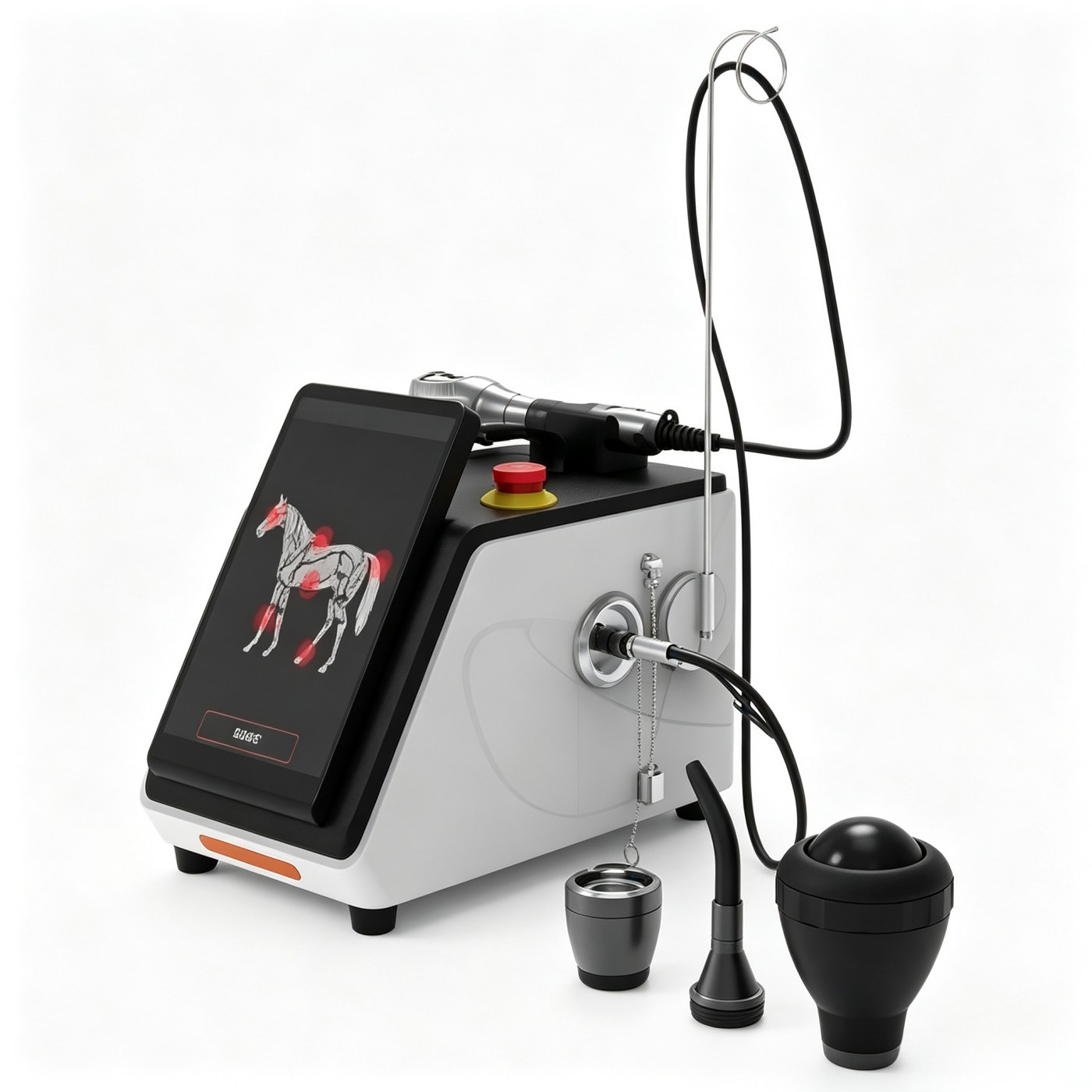
Veterinary Laser Surgical and Therapy Instrument | Multi-Wavelength Animal Laser Therapy Device |

This veterinary laser surgical and therapy instrument is a professional multi-wavelength laser treatment device designed for animal clinical diagnosis and rehabilitation applications. It provides standardized laser therapy solutions for companion animals and livestock, supporting wound care, pain management, tissue rehabilitation and surgical auxiliary procedures. With four integrated wavelengths, adjustable power output and flexible operation modes, the device adapts to diversified veterinary clinical workflows. It is suitable for pet hospitals, veterinary clinics, animal rehabilitation centers and livestock health management facilities requiring stable and repeatable laser operation performance.
This veterinary laser therapy device is widely applied in Veterinary Treatment & Recovery, Pet Treatment & Recovery and Animal Treatment & Recovery workflows. It supports routine clinical intervention, post-operative repair and chronic tissue rehabilitation applications in veterinary clinics, pet hospitals, animal rehabilitation institutions and breeding health management facilities.
The instrument can be integrated into veterinary service environments including Veterinary Exam Diagnostics, Veterinary POCT & IVD, Veterinary Operating Room, Veterinary Radiology Room, Veterinary Dental Care and Veterinary Ophthalmic Care workflows. It is suitable for wound care, scar regulation, analgesia and deep tissue rehabilitation applications, while providing a practical procurement option for veterinary equipment importers, distributors and global B2B partners.
Equipped with four professional wavelengths including 650nm, 810nm, 980nm and 1064nm, this animal laser therapy device enables targeted energy application for different tissue depths. The 650nm wavelength supports superficial tissue applications, the 810nm wavelength is designed for cellular metabolism-related applications, the 980nm wavelength supports superficial analgesia applications through water absorption and thermal conversion, and the 1064nm wavelength provides deeper tissue penetration capability.
The classified wavelength design allows veterinary professionals to select suitable operating parameters according to different application requirements, improving treatment workflow consistency and supporting standardized clinical operation procedures.
Powered with a maximum output of 26.2W, the veterinary laser instrument supports multiple operation modes including CW, single pulse and repeat pulse. Adjustable pulse duration from 10us to 3s and repetition rate from 0.2Hz to 20KHz provide flexible parameter adjustment for different veterinary application scenarios.
The stable output performance and structured operating design support long-term use in professional veterinary clinics, rehabilitation centers and animal healthcare facilities with frequent daily operation requirements.
By integrating multiple laser therapy functions into one device, the instrument reduces the need for separate equipment across different veterinary rehabilitation applications. Flexible parameter adjustment helps simplify clinical workflow management and improves operational efficiency for pet hospitals, animal rehabilitation centers and veterinary departments.
The multi-mode output configuration and application design are suitable for mainstream veterinary rehabilitation and surgical auxiliary workflows. The device can be incorporated into existing animal diagnosis, treatment and recovery processes, supporting consistent operation procedures in overseas veterinary institutions.
As a professional alternative to imported veterinary laser therapy equipment, this device combines multiple wavelength functions in one platform to support diversified animal healthcare applications. Stable operation performance and integrated design help veterinary institutions manage equipment investment and long-term operating requirements more efficiently.
| Item | Parameter |
|---|---|
| Wavelength | 650nm, 810nm, 980nm, 1064nm |
| Maximum Power | 26.2W |
| Operation Mode | CW, Single Or Repeat Pulse |
| Pulse Duration | 10us-3s |
| Repetition Rate | 0.2Hz-20KHz |
FKNMED’s veterinary laser surgical and therapy instrument is a professional B2B animal rehabilitation solution developed for global veterinary markets. We provide stable batch supply capability to support international importers, distributors and veterinary equipment partners with reliable procurement solutions.
With multi-wavelength configuration, flexible operation modes and stable output performance, the device supports various veterinary clinical and rehabilitation scenarios. FKNMED provides professional parameter guidance and technical support, helping global clients establish standardized animal healthcare and rehabilitation workflows.
Q1. How should veterinary hospitals select a laser surgical and therapy instrument?
Veterinary hospitals should evaluate laser systems according to their intended clinical applications, surgical workflow, treatment requirements, and operational environment. Key considerations include the procedures performed, required tissue interaction, available operating facilities, safety management, maintenance requirements, and staff training needs. A suitable veterinary laser instrument should support both surgical and therapeutic workflows while integrating effectively into daily clinical practice. Procurement teams should consider current treatment demands as well as future expansion needs when selecting equipment for animal hospitals, specialty clinics, and veterinary healthcare facilities.
Q2. Which veterinary applications can benefit from laser surgical and therapy instruments?
Veterinary laser systems can support various clinical workflows involving soft tissue procedures and therapeutic applications. In surgical environments, laser technology may be used as part of veterinary procedures requiring controlled tissue handling. Therapeutic applications may support rehabilitation programs related to wounds, musculoskeletal conditions, and postoperative care. Before implementation, veterinarians should evaluate animal condition, treatment objectives, and clinical protocols to determine suitable applications. Proper integration into the veterinary workflow helps improve procedure management and supports consistent patient care processes.
Q3. How does laser technology support veterinary soft-tissue surgery procedures?
Laser-assisted surgery is designed to provide controlled energy delivery to targeted tissue areas during veterinary procedures. Compared with traditional approaches, laser systems may support precise tissue interaction and effective surgical workflow when operated according to appropriate clinical protocols. Veterinary surgeons should consider tissue characteristics, procedure requirements, and parameter selection before use. Proper training and equipment management are essential to ensure safe operation in veterinary operating rooms and maintain consistent surgical performance.
Q4. What factors should veterinarians consider when selecting laser parameters for animal treatment?
Laser parameter selection should be based on the intended application, treatment area, tissue characteristics, and clinical objectives. Veterinarians need to consider factors such as energy delivery, operating mode, exposure conditions, and treatment workflow requirements. Incorrect parameter selection may affect treatment results and tissue response. Establishing standardized operating procedures and maintaining proper staff training help veterinary teams apply laser technology more effectively across surgical, therapeutic, and rehabilitation applications.
Q5. Can veterinary laser instruments support postoperative rehabilitation and therapy programs?
Yes, therapeutic laser functions can be incorporated into veterinary rehabilitation and postoperative management programs when clinically appropriate. Veterinary teams may use laser therapy as part of a broader care workflow that includes animal assessment, treatment planning, rehabilitation monitoring, and follow-up evaluation. Applications may involve wound management, musculoskeletal support, or recovery programs. The specific treatment approach should be determined by veterinary professionals based on patient condition and clinical requirements.
Q6. What safety considerations are important when operating veterinary laser equipment?
Laser safety is a critical consideration for veterinary operating rooms and treatment areas. Facilities should establish appropriate operating procedures, staff training requirements, protective measures, and equipment handling protocols before use. Veterinary teams should understand laser operation principles, potential risks, and safety requirements for both personnel and animals. Regular verification of safety systems and proper maintenance procedures help support reliable equipment operation throughout the service life of the laser system.
Q7. How can veterinary clinics integrate laser systems into their existing clinical workflow?
Veterinary clinics can integrate laser equipment by aligning its use with existing examination, treatment, surgical, and rehabilitation workflows. The process typically includes patient evaluation, procedure planning, equipment preparation, treatment execution, and outcome monitoring. Staff should define operating procedures, assign responsibilities, and provide appropriate training to ensure efficient daily operation. Proper workflow integration allows veterinary facilities to use laser technology as part of comprehensive animal healthcare services.
Q8. What maintenance is required for veterinary laser surgical and therapy instruments?
Regular maintenance is necessary to support stable performance and reduce unexpected downtime. Veterinary facilities should follow equipment maintenance procedures covering components such as handpieces, accessories, cooling systems, fibers, and operational controls when applicable. Cleaning and disinfection should be performed according to clinical hygiene requirements. Routine inspections help identify potential issues early and support continuous operation in veterinary hospitals, surgical centers, and rehabilitation facilities.
Q9. How should veterinary hospitals prepare staff before using laser surgical equipment?
Before operating veterinary laser equipment, surgeons and technicians should receive appropriate product operation training and understand clinical workflow requirements, safety procedures, and equipment handling methods. Staff should be familiar with preparation, operation, monitoring, cleaning, and maintenance processes. A structured training approach helps reduce operational errors and supports consistent use across different veterinary procedures. For hospitals with multiple users, standardized protocols can improve workflow efficiency and equipment utilization.
Q10. Which specifications should procurement teams compare before purchasing a veterinary laser system?
Procurement teams should compare specifications based on intended veterinary applications, clinical requirements, facility conditions, and long-term operational needs. Important evaluation factors include system functionality, supported applications, safety features, maintenance requirements, training needs, and compatibility with existing veterinary workflows. Buyers should also consider service support, equipment reliability, and future clinical expansion when selecting a laser surgical and therapy instrument for veterinary hospitals, distributors, and animal healthcare organizations.
Contact Information
E-mail:
Tel:
Address : Room 2512, Unit 1, Huaqiao Square, No.1, Daqiao North Road, Jiangbei New District, Nanjing, China
Veterinary Equipment
Medical Equipment

 There is currently no content to display


