


Category
|
Order Code |
Product Name |
|
A-04-14-M04 |
Implantable Biometric Chip Scanner for Veterinary Animal Identification | FKNMED |

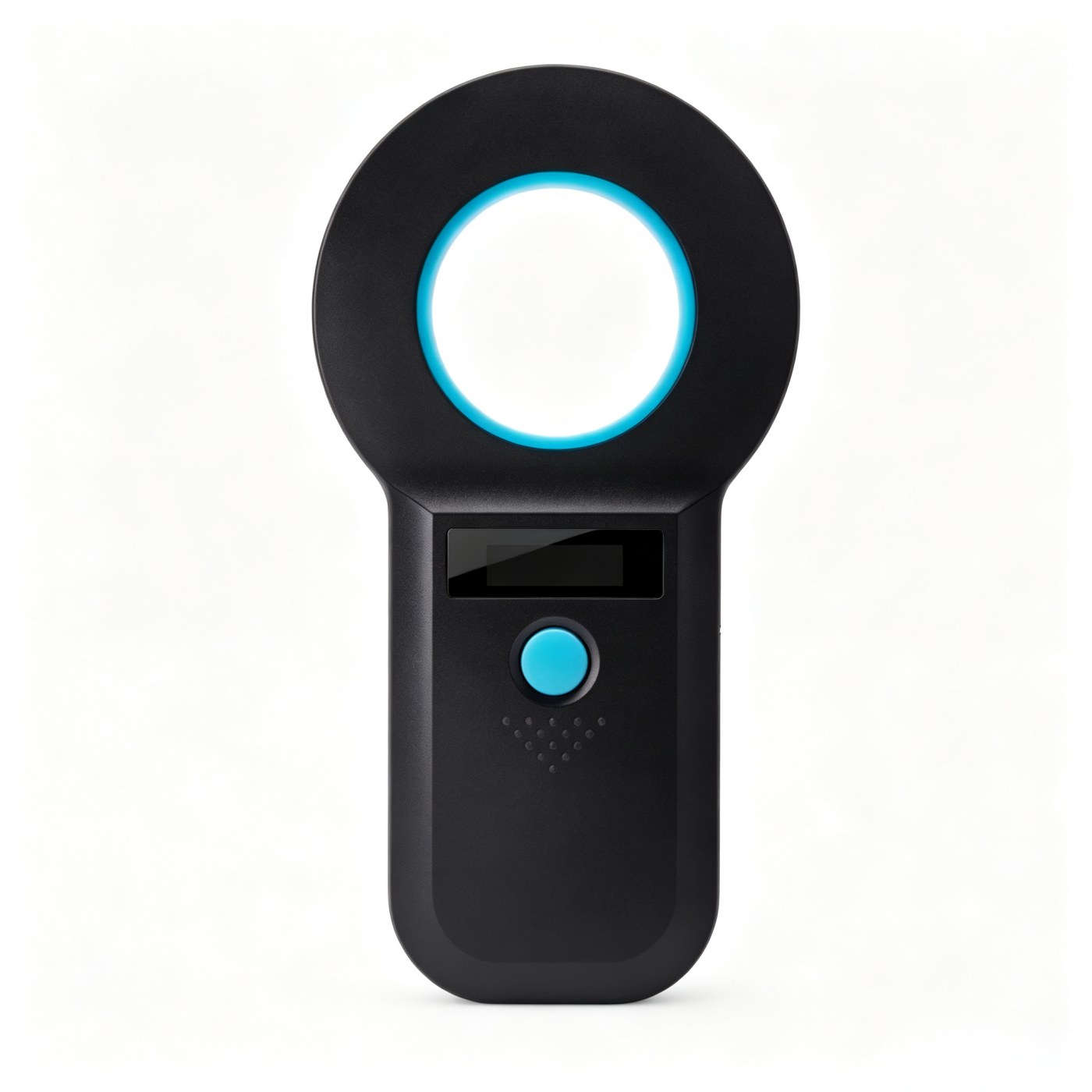
The Implantable Biometric Chip Scanner is a professional veterinary identification device developed for reading and verifying implantable biometric chips in small and large animals. Designed for pet hospitals, veterinary laboratories, breeding enterprises and animal traceability applications, it provides stable chip reading performance for animal identity verification, clinical record checking and information management. The scanner supports standardized veterinary workflows including Pet Exam Diagnostics, Veterinary Treatment & Recovery management and animal identification operations.
This veterinary chip scanner is widely used in pet clinics, animal hospitals, veterinary laboratories, third-party animal detection institutions and large-scale livestock breeding farms. It is mainly applied for implantable biometric chip scanning, animal identity verification, medical record matching, epidemic traceability, breeding file management and pre-treatment identity confirmation. The device supports both individual animal management and batch identification requirements in professional veterinary and animal husbandry environments.
Designed for professional veterinary chip identification, this scanner supports stable recognition and reading of standard implantable biometric chips. It helps reduce identification errors, information mismatch and manual record confusion during veterinary examination, treatment management and animal traceability processes. Reliable reading performance provides basic data support for veterinary health records, animal screening procedures and breeding information management.
The scanner is developed for repeated daily operation in pet medical institutions, veterinary laboratories and livestock breeding environments. Its professional recognition module supports stable chip reading performance during long-term use and high-frequency identification tasks. The device is suitable for standardized veterinary workflows requiring consistent animal identification and information verification.
With simple one-touch scanning operation, the device streamlines animal identity verification and information query procedures. It reduces manual record checking workload and improves efficiency in medical record matching, animal information management and batch identification operations. The scanner helps veterinary facilities optimize daily examination and management workflows.
This implantable biometric chip scanner is compatible with veterinary identification applications and animal management workflows. Its identification function supports integration into existing pet clinical management, livestock breeding records and animal traceability processes, helping veterinary institutions maintain standardized identification procedures.
As a professional veterinary identification device, the scanner helps reduce operational costs caused by repeated identification, manual information management and record mismatch. Stable working performance supports long-term use in veterinary clinics, laboratories and breeding enterprises, providing a practical solution for global veterinary distributors and animal management organizations.
| Item | Description |
|---|---|
| Product Type | Implantable Biometric Chip Scanner |
| Application | Veterinary animal identification, chip reading, clinical record checking and animal traceability management |
| Compatible Scenarios | Pet hospitals, veterinary clinics, veterinary laboratories, animal detection institutions and livestock breeding farms |
| Function | Reading and identifying standard animal implantable biometric chips |
| Usage | Daily identification verification and long-term high-frequency veterinary operation |
FKNMED Implantable Biometric Chip Scanner is designed for the global B2B veterinary equipment market, supporting animal identification and veterinary management workflows across international markets. With stable chip reading performance, practical operation design and strong application adaptability, it provides a cost-effective solution for veterinary distributors, pet hospitals, laboratories and breeding enterprises. FKNMED supports stable bulk supply and standardized batch delivery to help customers improve animal identification efficiency and management processes.
Q1. How to select an implantable biometric chip scanner for veterinary clinics?
Selecting an implantable biometric chip scanner requires consideration of veterinary workflow requirements, animal species, identification technology compatibility, and daily operating conditions. Veterinary clinics and hospitals should evaluate scanner performance, ease of use, compatibility with implanted chips, and suitability for applications such as patient admission, examination, surgery preparation, and record management. For livestock operations, additional factors may include field usability and environmental conditions. A suitable scanner should support reliable animal identification and integrate effectively with existing veterinary management procedures.
Q2. Which scanner specifications are important for dogs, cats, cattle, and horses?
Important scanner specifications depend on the intended animal application and identification workflow. Veterinary facilities should consider chip compatibility, reading performance, portability, display functions, battery capability, and data management requirements. Small animal clinics may prioritize convenient patient identification during routine examinations, while livestock operations may require scanners suitable for larger animals and field environments. Procurement teams should evaluate scanner features together with the implanted chip system to ensure reliable identification across different veterinary applications.
Q3. Can one biometric chip scanner read identification chips across multiple animal species?
Many veterinary identification workflows involve different animal species, including companion animals and livestock. The suitability of a scanner for multiple species depends on its compatibility with the implanted chip technology and identification standards used in the facility. Veterinary organizations should verify scanner specifications before deployment to ensure consistent performance across their animal management programs. A compatible scanner system helps simplify identification procedures and supports efficient record tracking across different veterinary applications.
Q4. How does scanner performance affect animal admission and medical record accuracy?
Scanner performance directly influences the accuracy and efficiency of animal identification during admission and healthcare procedures. Reliable scanning allows veterinary teams to confirm patient identity before examinations, diagnostic testing, treatment, and surgical procedures. This reduces the risk of incorrect record assignment and supports better management of vaccination history, clinical notes, and laboratory information. In hospitals, shelters, and livestock facilities, consistent identification workflows help maintain accurate animal health records.
Q5. How should veterinary hospitals evaluate scanner frequency and chip compatibility?
Veterinary hospitals should evaluate scanner frequency and chip compatibility based on the implanted identification chips used within their operational environment. Compatibility verification is important to ensure that scanners can consistently detect and identify implanted chips during clinical procedures. Procurement teams should review identification technology requirements, existing equipment compatibility, and future expansion needs. A properly matched scanner and chip system supports stable operation across animal examination, record management, and healthcare workflows.
Q6. Can implantable chip scanners connect directly with veterinary practice software?
Integration with veterinary practice software can improve the efficiency of animal identification and record management workflows. Depending on system configuration, scanners may support data transfer or connection with digital animal health records. Veterinary organizations should evaluate software compatibility, data management requirements, and workflow integration before purchase. Effective integration allows identification information to be associated with examination records, treatment history, and other healthcare information, supporting more organized veterinary operations.
Q7. How do scanners reduce patient misidentification during surgery and hospitalization?
Implantable chip scanners provide a reliable method for confirming animal identity during critical veterinary procedures. In hospitals managing multiple patients, scanning before surgery, hospitalization, treatment, or discharge helps ensure that medical actions are linked to the correct animal record. This identification step supports clinical workflow accuracy and reduces risks caused by manual identification errors. Veterinary teams can incorporate scanning procedures into standard operating processes to improve patient management and record traceability.
Q8. Can biometric scanners support emergency identification when animal records are unavailable?
Biometric chip scanners can support emergency identification by allowing veterinary teams to verify an animal’s implanted identification information when traditional records are unavailable. This capability is useful in emergency clinics, shelters, rescue facilities, and situations where immediate patient recognition is required. By confirming animal identity, veterinary personnel can establish appropriate record connections and support further clinical evaluation and treatment procedures.
Q9. How should veterinary staff clean and maintain implantable chip scanners?
Regular cleaning and maintenance help maintain scanner reliability in veterinary environments. Staff should follow manufacturer instructions for cleaning external surfaces, protecting scanning components, and maintaining charging or power systems. Proper handling is especially important in clinics, shelters, and farm environments where equipment is frequently exposed to different operating conditions. Routine performance checks help reduce interruptions and ensure that scanners remain available for daily animal identification workflows.
Q10. Which specifications should procurement managers compare before purchasing scanners?
Procurement managers should compare scanner specifications based on application requirements, animal identification workflows, and operational environments. Key considerations include chip compatibility, reading performance, portability, battery operation, data management capability, and environmental suitability. Veterinary hospitals, laboratories, and livestock organizations should evaluate how the scanner fits into existing identification procedures and record systems. A complete assessment helps ensure that the selected scanner supports reliable long-term animal management operations.
Contact Information
E-mail:
Tel:
Address : Room 2512, Unit 1, Huaqiao Square, No.1, Daqiao North Road, Jiangbei New District, Nanjing, China
Veterinary Equipment
Medical Equipment

 There is currently no content to display


