


Category
|
Order Code |
Product Name |
|
A-04-14-M03 |
Implantable Biometric Chip for Small Animals | Veterinary Identification Device |

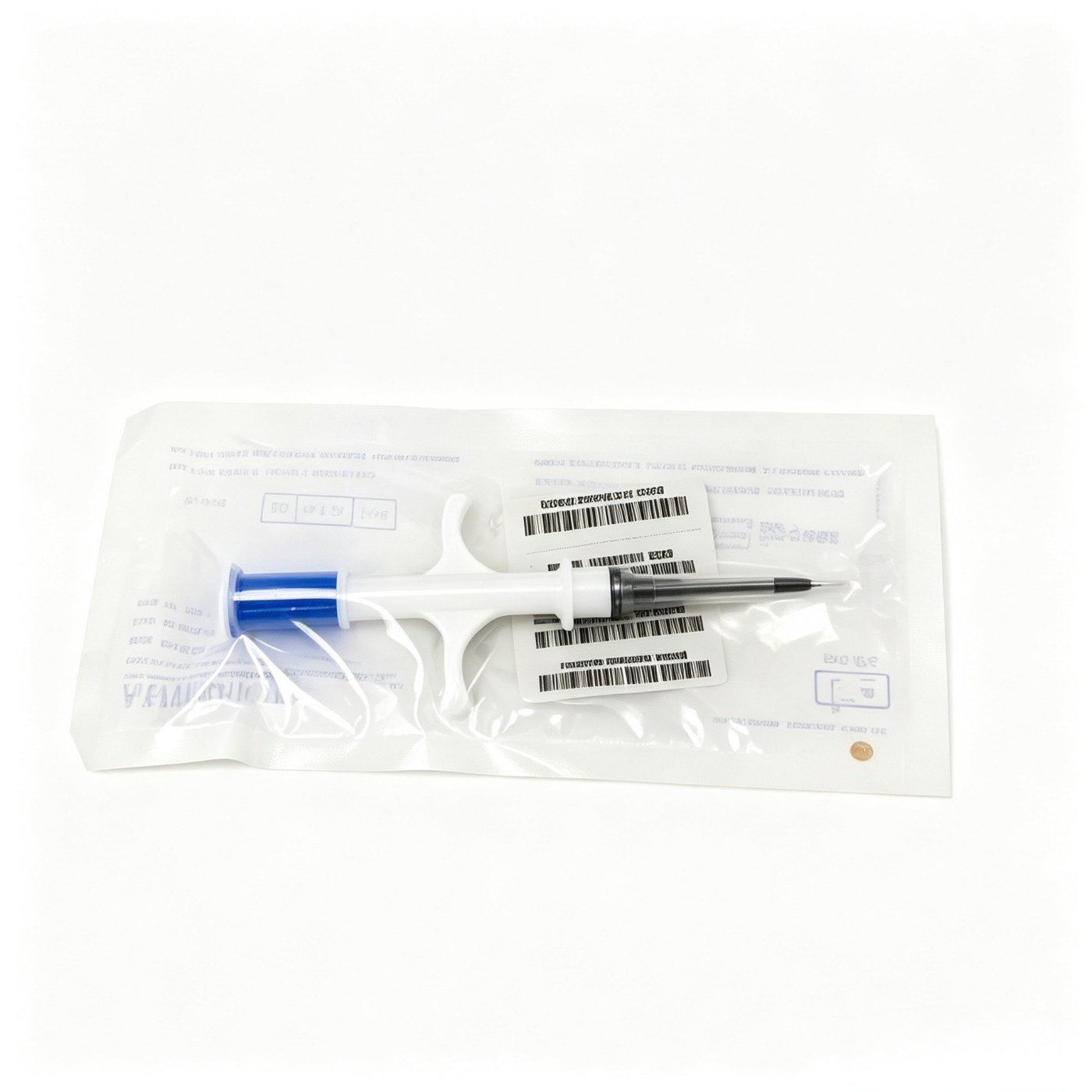
The Implantable Biometric Chip for Small Animals is a professional veterinary identification device designed for small animal clinical management, pet medical tracking and animal traceability applications. Featuring an ultra-miniature 1.4*8mm chip size with an integrated disposable syringe kit, it supports minimally invasive standardized implantation for cats, dogs and other companion animals. The product provides permanent individual identification support for pet hospitals, veterinary clinics and small-scale breeding institutions.
This small-animal biometric chip is widely used in Pet Exam Diagnostics, Veterinary Treatment & Recovery and routine pet clinical management workflows. It serves pet hospitals, veterinary clinics, pet grooming centers, small-animal breeding bases and third-party pet health detection agencies for individual identification, electronic file establishment, postoperative treatment tracking and daily health record management.
The biometric chip provides exclusive individual identification data after implantation, helping reduce pet information confusion, repeated record entry and manual registration errors during veterinary examination, treatment and daily management. It supports traceable pet medical records, rehabilitation tracking and standardized animal information management workflows.
With an ultra-compact 1.4*8mm structure, the chip is optimized for small companion animals and supports long-term implantation applications. The dedicated disposable syringe kit simplifies the implantation process and supports standardized one-time operation for veterinary clinics and pet healthcare institutions.
The integrated chip and syringe design eliminates the need for additional auxiliary tools and complicated preparation procedures. It improves efficiency in pet admission, identification registration, clinical examination management and electronic file establishment for veterinary institutions handling multiple animals.
Designed for global pet healthcare and veterinary management applications, this implantable identification device supports connection with pet medical management systems, traceability platforms and daily veterinary workflows. It helps institutions establish standardized pet identification and record management processes.
The integrated disposable syringe and identification chip structure reduces separate consumable requirements and simplifies procurement management. Stable long-term implantation performance helps reduce repeated identification operations and supports cost-efficient batch purchasing for veterinary distributors, pet hospitals and animal service institutions.
| Specification | Details |
|---|---|
| Product Type | Implantable Biometric Chip for Small Animals |
| Application | Pet identification, veterinary records, animal traceability and clinical management |
| Chip Dimension | 1.4*8mm |
| Suitable Animals | Cats, dogs and other small companion animals |
| Package | Identification chip with dedicated disposable syringe |
| Operation Method | One-time minimally invasive standardized implantation |
FKNMED Implantable Biometric Chip for Small Animals is developed for the global B2B veterinary and pet healthcare market. It provides a practical identification solution with ultra-small design, stable identification performance and convenient operation. Supported by standardized bulk supply and batch delivery capability, it helps veterinary distributors, pet hospitals and breeding institutions improve pet management workflows and optimize long-term operational efficiency.
Q1. How to select an implantable biometric chip for dogs, cats, and small animals?
Selecting an implantable biometric chip for companion animals requires consideration of veterinary workflow, identification requirements, scanner compatibility, and long-term record management needs. Veterinary hospitals and pet clinics should evaluate whether the chip system supports reliable identification during routine examinations, vaccination, surgery, emergency care, and preventive healthcare management. Important purchasing factors include compatibility with existing scanners, operational convenience, and suitability for different small animal applications. A properly selected identification system helps veterinary teams maintain accurate patient records and improve efficiency throughout the animal healthcare process.
Q2. How does microchip identification improve small animal medical record accuracy?
Microchip identification provides a reliable method for linking an individual animal with its medical history and healthcare information. In veterinary clinics, accurate identification supports better management of vaccination records, surgical history, diagnostic results, and treatment information. This is especially valuable in multi-patient environments such as animal hospitals and shelters where similar-looking animals may require different care plans. By improving patient identification accuracy, implantable chips help veterinary teams maintain organized records and support continuous healthcare management.
Q3. Can an implantable chip support permanent identification of shelter and hospital animals?
Implantable biometric chips can support long-term identification of animals in veterinary hospitals, shelters, and rehabilitation facilities. Individual identification helps staff manage animal intake, medical evaluation, treatment procedures, and adoption-related records. Compared with manual identification methods, chip-based systems provide a consistent reference that can be verified during daily operations. For organizations managing multiple animals, reliable identification contributes to improved workflow control and reduces the risk of incorrect record assignment.
Q4. How should veterinary clinics verify chip compatibility with available scanners?
Before purchasing implantable biometric chips, veterinary clinics should confirm compatibility between the chips and their existing or planned scanning equipment. Evaluation should include identification technology requirements, scanner support, and workflow integration. Compatible systems allow veterinary personnel to quickly verify animal identity during examinations, sample collection, treatment procedures, and record updates. Procurement teams should assess both chip specifications and scanner availability to ensure stable operation across daily clinical applications.
Q5. Can implanted chips link vaccination, surgery, and treatment records to individual animals?
Yes, implantable identification chips can support the connection between an animal’s unique identity and its healthcare records. Veterinary teams can use chip identification as a reference when managing vaccination schedules, surgical information, diagnostic history, and treatment documentation. This approach supports consistent record management from initial examination through long-term preventive care. For clinics and hospitals, integrating identification into existing record workflows helps improve data accuracy and supports more efficient patient management.
Q6. What implantation site is recommended for dogs, cats, and other companion animals?
The implantation site should follow established veterinary procedures and the applicable guidelines for companion animal identification. Veterinary professionals should consider animal anatomy, handling requirements, and the need for reliable future scanning. Standardized implantation practices help improve identification consistency and support long-term readability. Clinics should ensure that veterinary staff are trained in appropriate implantation procedures and maintain proper infection-control practices during the process.
Q7. How should veterinarians confirm chip identity before clinical procedures?
Before performing clinical procedures, veterinarians should verify the animal’s identity through chip scanning and record confirmation. This step helps ensure that examination results, treatment plans, medication records, and surgical information are assigned to the correct patient. In busy veterinary hospitals, especially those managing multiple animals simultaneously, identity verification is an important part of maintaining safe and organized clinical workflows. A structured identification process supports accurate decision-making throughout veterinary care.
Q8. Can implanted chips reduce patient misidentification in multi-animal hospitals?
Implantable biometric chips can help reduce patient identification errors in veterinary hospitals by providing each animal with a unique identification reference. This is particularly useful in facilities handling large numbers of patients, including emergency hospitals, shelters, and boarding veterinary centers. By connecting identification data with medical records, staff can improve accuracy during admission, diagnosis, treatment, and discharge processes. Reliable identification supports better workflow management and enhances overall veterinary record traceability.
Q9. What database integration features should procurement managers evaluate?
When evaluating implantable identification systems, procurement managers should consider database compatibility, record management requirements, and integration with existing veterinary workflows. Important factors include how identification data can be stored, accessed, and associated with medical information. A suitable system should support efficient management of patient records across examinations, treatments, and long-term healthcare monitoring. Evaluating software and workflow compatibility helps veterinary organizations select identification solutions that support continuous operational needs.
Q10. Which specifications should distributors compare for companion animal microchips?
Distributors evaluating companion animal microchips should compare specifications related to identification performance, scanner compatibility, application scenarios, and customer requirements. Key considerations include suitability for dogs, cats, and small animals, integration with veterinary identification workflows, and demand from clinics, shelters, and animal healthcare organizations. Understanding end-user operational requirements allows distributors to provide appropriate solutions for different veterinary markets. A complete evaluation should consider both product specifications and practical application environments.
Contact Information
E-mail:
Tel:
Address : Room 2512, Unit 1, Huaqiao Square, No.1, Daqiao North Road, Jiangbei New District, Nanjing, China
Veterinary Equipment
Medical Equipment

 There is currently no content to display


