


Category
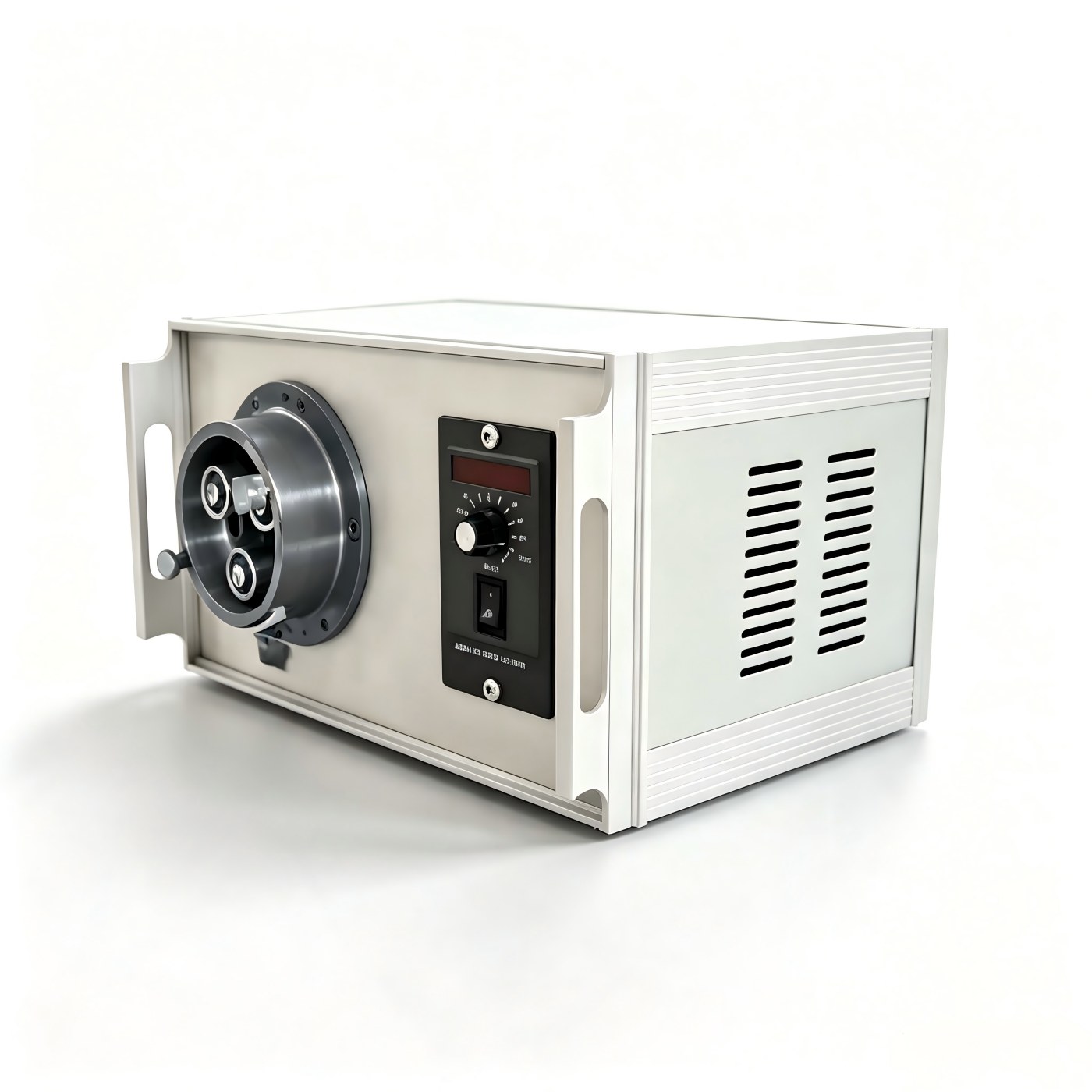
|
Order Code |
Product Name |
|
L-01-11-M16 |
Laboratory Micro Dosing Pump for Mineral Processing Reagent Feeding |

The Laboratory Micro Dosing Pump is a precision liquid feeding device designed for laboratory mineral processing, metallurgical testing, and chemical experiment applications. It provides stable and continuous micro-volume liquid delivery for accurate reagent addition and controlled laboratory testing conditions.
This dosing pump is widely used in geology, metallurgy, coal, chemical, and building material laboratories where consistent liquid transmission is required. It supports the feeding of various chemical solutions, including corrosive and hazardous liquids, helping laboratories maintain standardized reagent addition procedures during flotation experiments and other testing processes.
With a compact structure, low power consumption, and stable micro-flow output, the equipment provides repeatable liquid feeding performance for mineral sample preparation, flotation testing, and wet laboratory research workflows.
The Laboratory Micro Dosing Pump supports important laboratory workflows including mineral sample preparation, flotation testing, metallurgical experiments, and chemical condition verification. It is suitable for mining enterprises, metallurgical laboratories, research institutions, and distributors serving laboratory applications.
In mineral processing and flotation testing, the pump is used for quantitative and continuous addition of flotation reagents, regulators, and chemical solutions. Precise micro-dosing reduces manual feeding variation, improves reagent addition consistency, and helps maintain stable experimental conditions during comparative flotation tests.
For metallurgical testing and mineral analysis, the equipment provides controlled liquid delivery for wet process experiments and mineral reaction studies. Stable feeding parameters support reliable experimental recording and evaluation of test results.
Beyond mining applications, the pump also meets fine liquid transportation requirements in environmental protection detection, pharmaceutical laboratories, and other industries requiring controlled micro-volume delivery.
The pump is designed for continuous micro-volume liquid transmission and provides stable flow output during laboratory operation. It helps avoid intermittent feeding and dosage fluctuations caused by manual reagent addition.
The equipment is capable of conveying corrosive and hazardous chemical liquids, supporting reagent feeding requirements in mineral flotation and chemical metallurgy experiments.
With feeding accuracy controlled within ≤3%, the dosing pump helps maintain consistent reagent dosage and improves the repeatability of laboratory flotation and chemical testing data.
The rated power is only 14W, supporting long-term laboratory operation with reduced energy consumption while maintaining stable liquid delivery performance.
The professional hose diameter configuration and compact structure allow flexible installation in laboratory environments and match the requirements of small-scale mineral processing tests.
| Item | Unit | Parameter |
|---|---|---|
| Hose Diameter | mm | Φ1.6 |
| Single Pump Head Flow Range | ml/min | 1.3 |
| Feeding Accuracy | % | ≤3 |
| Power Supply & Power | — | 220V, 14W |
FKN PANDA Laboratory Micro Dosing Pump provides reliable testing accuracy for mineral processing and metallurgical laboratory applications. The stable micro-flow output and feeding accuracy within ≤3% reduce manual dosing variation and help maintain consistent chemical conditions during flotation and wet testing procedures.
The equipment delivers dependable operational reliability for continuous laboratory use. Its stable structure supports repeated testing cycles and maintains consistent liquid transmission performance when handling laboratory chemical solutions.
By replacing manual reagent addition with continuous micro-dosing operation, the pump improves laboratory efficiency. It simplifies experimental procedures, reduces preparation workload, and supports more consistent testing progress in daily laboratory operations.
The dosing pump offers strong mining workflow compatibility and integrates effectively into flotation testing, mineral sample preparation, and metallurgical evaluation procedures. Its controlled reagent feeding capability matches the requirements of professional mining and metallurgical laboratories.
With low power consumption, compact design, and multi-scenario application capability, the equipment helps reduce long-term operating requirements while providing a practical micro-liquid feeding solution for laboratories and distributors in global mining markets.
Q1. How to select a micro dosing pump for precise reagent addition in hydrometallurgical testing?
Selecting a micro dosing pump for mining laboratory applications requires consideration of reagent characteristics, dosing requirements, test objectives, and operating conditions. Important factors include required flow range, chemical compatibility, dosing stability, and integration with laboratory workflows. In hydrometallurgical testing, precise reagent addition is important for maintaining consistent leaching, solvent extraction, and process evaluation conditions. The selected pump should support repeatable operation during mineral testing and metallurgical research while matching the requirements of new laboratory setups, equipment upgrades, or continuous testing programs.
Q2. Which laboratory processes use micro dosing pumps in mineral processing and metallurgy?
Micro dosing pumps are commonly used in laboratory processes that require controlled addition of liquid reagents, including hydrometallurgical leaching tests, flotation experiments, solvent extraction studies, and mineral analysis workflows. They help laboratories introduce acids, alkalis, collectors, depressants, flocculants, or other process chemicals under controlled conditions. By improving dosing consistency, micro dosing pumps support accurate evaluation of reagent effects during mineral testing and metallurgical assessment, allowing engineers to better understand process behavior before further development or scale-up studies.
Q3. What factors should be considered when choosing a micro dosing pump for hydrometallurgical experiments?
When selecting a micro dosing pump for hydrometallurgical experiments, laboratories should evaluate reagent properties, required dosing precision, operating duration, and compatibility with chemical environments. Materials in contact with reagents, tubing selection, flow stability, and control requirements are important considerations. For applications involving corrosive solutions or sensitive mineral reactions, suitable pump configuration helps maintain reliable testing conditions. Proper selection supports repeatable leaching studies, reagent optimization, and metallurgical evaluation within a controlled laboratory environment.
Q4. How does a micro dosing pump improve reagent consistency in flotation and mineral processing tests?
A micro dosing pump improves reagent consistency by providing controlled and repeatable addition of chemicals during laboratory testing. In flotation test work, small variations in reagent dosage can influence mineral recovery behavior and separation results. Controlled dosing helps technicians maintain consistent experimental conditions when evaluating collectors, depressants, modifiers, or other reagents. This improves the reliability of comparative tests and provides more meaningful data for mineral processing evaluation, process optimization, and laboratory-scale flowsheet development.
Q5. What compatibility considerations are important when using micro dosing pumps with mining reagents?
Compatibility between the pump and the handled reagent is an important factor in laboratory chemical dosing applications. Laboratories should consider reagent properties such as acidity, alkalinity, chemical concentration, viscosity, and potential abrasiveness when selecting pump components and tubing materials. Proper compatibility helps maintain stable operation and reduces risks associated with chemical exposure or component degradation. For hydrometallurgical and mineral processing studies, suitable material selection supports continuous laboratory operation and reliable reagent addition during testing programs.
Q6. How can laboratories ensure testing repeatability when using micro dosing pumps for reagent addition?
Testing repeatability depends on consistent sample preparation, controlled reagent addition, accurate pump adjustment, and proper operating procedures. Laboratories should establish standardized dosing methods and regularly verify pump performance according to application requirements. Maintaining stable flow conditions and recording dosing parameters helps engineers compare results across different mineral samples and test programs. Reliable reagent control supports accurate metallurgical evaluation and reduces experimental variation during leaching, flotation, and other laboratory-scale mineral processing studies.
Q7. What calibration and verification procedures are recommended for micro dosing pumps?
Calibration and verification procedures should be performed according to the pump design, application requirements, and laboratory testing standards. Typical practices include checking actual dosing output, confirming flow stability, and comparing operating conditions with required test parameters. Regular verification is especially important in metallurgical research where small reagent additions may affect experimental results. Maintaining documented calibration procedures helps laboratories improve data reliability and supports consistent operation during mineral testing, hydrometallurgy studies, and process evaluation activities.
Q8. What maintenance requirements are important for micro dosing pumps in continuous laboratory operation?
Maintenance requirements depend on the pump configuration, reagent properties, and operating environment. Common maintenance activities include inspecting tubing or contact components, checking connections, cleaning chemical pathways, and monitoring dosing stability. In continuous hydrometallurgical testing, regular inspection helps identify wear, flow variation, or chemical compatibility issues before they affect test results. Proper maintenance practices support longer equipment service life, reduce interruptions, and help laboratories maintain stable reagent addition during extended mineral processing experiments.
Q9. Can micro dosing pumps be integrated with automated laboratory testing systems?
Micro dosing pumps can be integrated into automated laboratory testing systems when compatible control interfaces and process requirements are available. They may be combined with sensors, controllers, or laboratory automation systems to support controlled reagent management in mineral processing and hydrometallurgical workflows. Integration can help laboratories improve process monitoring, reduce manual intervention, and maintain consistent testing conditions. Such configurations are useful for advanced research programs, repeated experiments, and laboratory expansion projects requiring improved operational control.
Q10. How does a micro dosing pump support mining laboratory workflow from testing to process decision?
A micro dosing pump supports the mining laboratory workflow by enabling controlled reagent addition during mineral testing and metallurgical evaluation stages. After sample collection and preparation, precise chemical dosing helps engineers study leaching behavior, flotation response, or other process conditions. The resulting test data can contribute to process decisions, reagent selection, and flowsheet development. By providing reliable dosing control, micro dosing pumps become an important component in laboratories focused on repeatable experiments, continuous operation, and technical evaluation of mineral processing options.
Contact Information
E-mail:
Tel:
Address : Room 2512, Unit 1, Huaqiao Square, No.1, Daqiao North Road, Jiangbei New District, Nanjing, China
Veterinary Equipment
Medical Equipment

 There is currently no content to display


