


Category
|
Order Code |
Product Name |
|
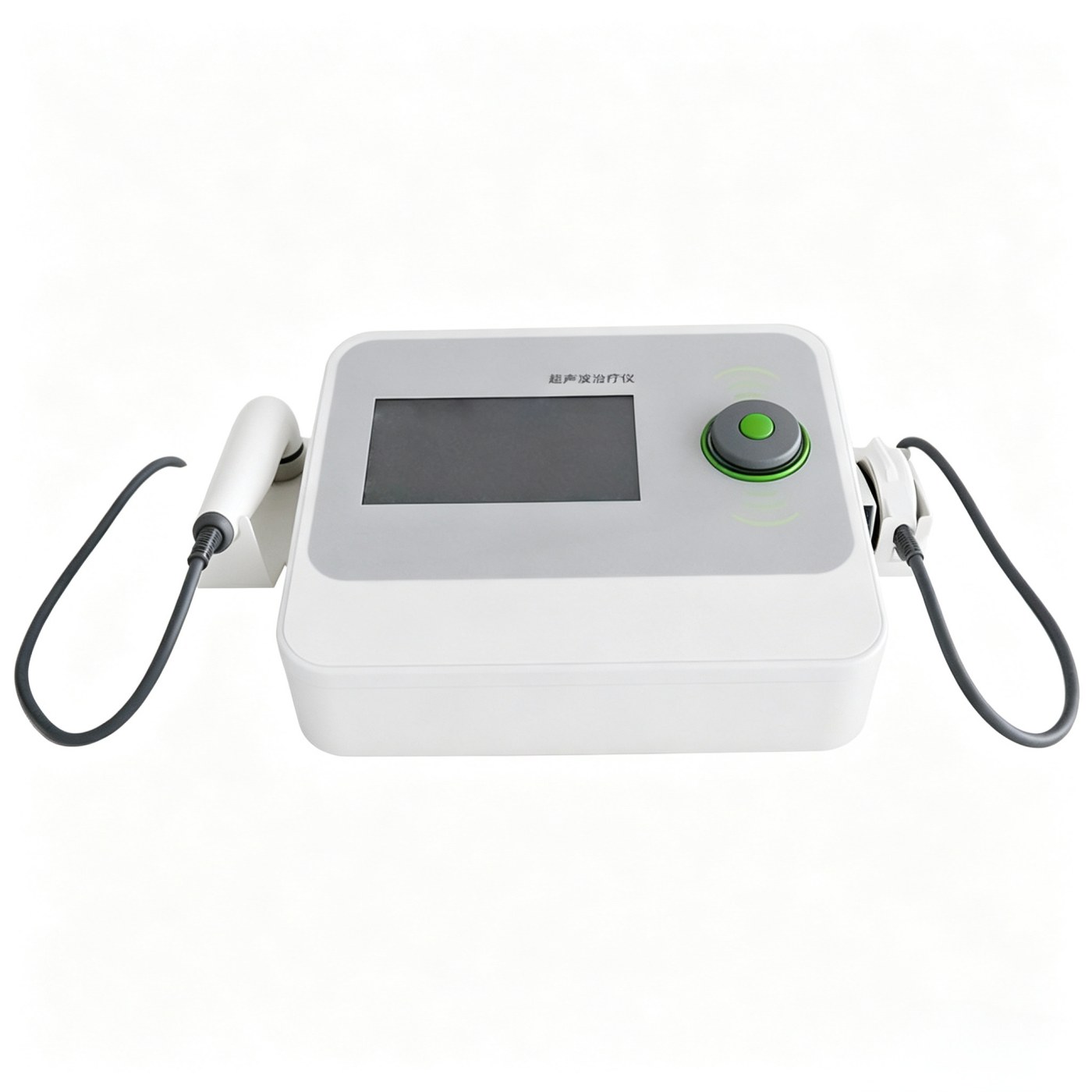
Veterinary Ultrasonic Physio Therapy Device | Animal Rehabilitation Equipment | FKNMED |

FKNMED Veterinary Ultrasonic Physio Therapy Device is a professional portable physical therapy system designed for animal clinical rehabilitation and auxiliary medical applications. Developed for felines, canines and other animal species, it provides standardized ultrasonic intervention support for veterinary rehabilitation workflows.
Equipped with dual-frequency therapeutic probes, adjustable duty cycles and multi-grade output modes, this veterinary physiotherapy device enables controllable ultrasonic energy delivery for different rehabilitation scenarios. Its lightweight structure, intuitive operation and stable performance make it suitable for daily deployment in pet hospitals, veterinary clinics and animal rehabilitation facilities.
This ultrasonic physiotherapy device is widely applied in Veterinary Treatment & Recovery, Pet Treatment & Recovery and Animal Treatment & Recovery workflows. It is suitable for professional veterinary institutions including pet hospitals, veterinary clinics, animal rehabilitation centers and livestock health management stations.
The device supports auxiliary physical therapy applications related to cardiovascular conditions, hyperlipidemia, limb dyskinesia and soft tissue contusion recovery. It complements comprehensive veterinary medical workflows, including Veterinary POCT, Veterinary IVD, Veterinary Operating Room, Veterinary Radiology Room, Veterinary Exam Diagnostics, Veterinary Dental Care and Veterinary Ophthalmic Care.
With portable design and standardized operating functions, the equipment meets the rehabilitation requirements of small animal clinics, animal care centers and large-scale breeding veterinary departments. It also supports bulk procurement requirements from global veterinary equipment importers, distributors and B2B trading partners.
The device is equipped with independent 1MHz and 3MHz dual therapeutic probes, supporting different ultrasonic therapy requirements within veterinary rehabilitation applications. Adjustable 0–100% duty cycle with 10% step adjustment, 9-speed pulse modes and continuous output mode provide flexible parameter configuration for different animal conditions.
Standardized ultrasonic output parameters and controlled sound intensity support consistent energy transmission during operation, helping veterinary professionals perform structured rehabilitation procedures with improved workflow stability.
Designed with standardized rated power output, fixed collimated beam type and stable beam performance, the device maintains reliable ultrasonic operation during continuous veterinary clinical use. Dual independent probe control structure supports operational stability, while standardized electrical design helps reduce equipment maintenance requirements during long-term daily operation.
The 7-inch color LCD display and one-key shuttle operation simplify parameter adjustment and treatment preparation. Dual-frequency probes and multi-mode output functions integrate multiple rehabilitation applications into one portable unit, reducing the need for separate therapy equipment.
The adjustable 0–30 minute treatment timing function supports routine veterinary physiotherapy procedures and improves daily case processing efficiency for pet hospitals, animal rehabilitation centers and breeding veterinary departments.
The device integrates standardized therapeutic parameters, output modes and operating procedures suitable for professional animal rehabilitation environments. Its practical design allows connection with existing veterinary diagnosis, treatment and postoperative recovery workflows without additional process adjustment.
Combining dual-frequency ultrasonic technology, adjustable output functions and portable structure, FKNMED Veterinary Ultrasonic Physio Therapy Device provides a practical solution for veterinary institutions seeking efficient rehabilitation equipment. Stable performance and integrated functions help optimize procurement investment and support long-term operational requirements for clinics, farms and distributors.
| Item | Parameter |
|---|---|
| Applicable Animals | Feline, Canine and other animals |
| Core Application | Cardiovascular disease, hyperlipidemia, limb dyskinesia, soft tissue contusion treatment |
| Display & Operation | 7-inch color LCD display, one-key shuttle operation |
| Treatment Frequency | 1MHz / 3MHz (dual independent probes) |
| Input Power | 80VA |
| Rated Output Power | 5W ± 20% |
| Effective Sound Intensity | ≤ 3.0W/cm² |
| Beam Type | Collimated type |
| Beam Nonuniformity Coefficient | ≤ 8.0 |
| Duty Cycle | 0~100% adjustable, 10% stepping |
| Treatment Time | 0-30 minutes |
| Output Mode | 9-speed pulse mode, 1-speed continuous mode |
| Treatment Head Area | 2.0cm² ± 20% |
| Power Supply | AC 220V ± 10%, 50Hz ± 2% |
| Certifications & Patents | 4 product patents, proprietary software copyright |
| Net Weight | 3.8kg |
| Dimensions | 308mm * 254.8mm * 114.3mm |
FKNMED Veterinary Ultrasonic Physio Therapy Device is a professional B2B animal rehabilitation solution designed for global veterinary medical markets. With stable batch supply capability and technical support, FKNMED assists international importers, distributors and veterinary institutions in expanding their rehabilitation equipment portfolios.
Featuring dual-frequency independent control, adjustable output modes, portable design and standardized operation functions, this veterinary ultrasonic therapy device provides practical value for pet hospitals, veterinary clinics, animal rehabilitation centers and breeding facilities. FKNMED offers pre-sales parameter guidance and after-sales technical support to help global partners establish efficient and standardized animal rehabilitation service systems.
Q1. How to select a veterinary ultrasonic physiotherapy device for animal hospitals?
When selecting a veterinary ultrasonic physiotherapy device, clinics should consider treatment applications, patient types, rehabilitation workflow, and operational requirements. Key evaluation factors include whether the device supports the clinic’s rehabilitation services, ease of operation for veterinary technicians, treatment consistency, and long-term maintenance needs. Veterinary hospitals should assess their typical cases, such as soft-tissue injuries, postoperative rehabilitation, or mobility management, and choose equipment that matches their clinical workflow. Procurement teams should also consider device reliability, staff training requirements, and compatibility with existing rehabilitation programs to support stable daily operation.
Q2. Which canine and feline conditions are suitable for therapeutic ultrasound?
Veterinary therapeutic ultrasound is commonly considered as part of rehabilitation programs for conditions involving soft tissues, muscles, tendons, ligaments, and joint-related discomfort. In small animal practice, it may be incorporated into recovery plans for dogs and cats after orthopedic procedures, sports injuries, or mobility-related conditions. Clinical assessment should be performed before treatment to determine whether ultrasound therapy is appropriate for each patient. Veterinary teams typically combine physical examination, treatment planning, and ongoing response monitoring to develop a structured rehabilitation workflow.
Q3. How does therapeutic ultrasound improve soft-tissue rehabilitation in veterinary patients?
Therapeutic ultrasound supports veterinary rehabilitation by delivering controlled acoustic energy to targeted treatment areas. It is used as part of a broader physiotherapy approach designed to support soft-tissue management and recovery processes. During rehabilitation workflows, veterinarians evaluate the affected area, determine suitable treatment parameters, and monitor patient response over repeated sessions. The effectiveness of treatment depends on appropriate clinical assessment, correct application technique, and consistent operation by trained veterinary staff.
Q4. What factors should veterinarians consider when selecting ultrasound treatment parameters for different animals?
Veterinarians should consider factors such as animal size, treatment location, tissue characteristics, clinical condition, and rehabilitation objectives when selecting ultrasound treatment parameters. Different patients may require different approaches based on the depth and characteristics of the target area. Proper parameter selection should follow professional veterinary evaluation and established treatment protocols. Standardized operating procedures can help rehabilitation teams maintain consistent treatment quality across different technicians and improve workflow management in veterinary facilities.
Q5. Can veterinary ultrasound therapy support postoperative rehabilitation after orthopedic surgery?
Veterinary therapeutic ultrasound can be incorporated into postoperative rehabilitation programs when clinically appropriate. After orthopedic procedures, rehabilitation plans often focus on supporting mobility recovery, managing soft-tissue conditions, and gradually restoring function. Ultrasound therapy is usually combined with other rehabilitation methods based on veterinary assessment. Clinics should establish structured workflows that include patient evaluation, treatment application, progress monitoring, and documentation to ensure continuous and controlled rehabilitation management.
Q6. What safety considerations should veterinary clinics evaluate before purchasing a therapeutic ultrasound device?
Before purchasing a veterinary ultrasonic physiotherapy device, clinics should evaluate operational safety, user training requirements, treatment control features, and equipment maintenance considerations. Veterinary staff should understand correct application methods, patient preparation procedures, and precautions for different clinical situations. A suitable device should support controlled operation and integration into existing rehabilitation workflows. Procurement managers should also consider after-sales support, replacement requirements, and long-term equipment management to maintain reliable clinical use.
Q7. How should veterinary technicians prepare animals before therapeutic ultrasound treatment?
Before ultrasound therapy, veterinary technicians should complete patient assessment, prepare the treatment area, and ensure proper contact between the probe and the animal’s skin according to clinical procedures. Skin preparation and suitable coupling methods are important for effective energy transmission during treatment. Technicians should also observe animal behavior and comfort throughout the session, especially when working with anxious or sensitive patients. Standardized preparation procedures help improve treatment consistency and support efficient rehabilitation workflows.
Q8. How can veterinary hospitals integrate therapeutic ultrasound into rehabilitation workflows?
Veterinary hospitals can integrate therapeutic ultrasound into rehabilitation workflows by establishing a structured process from patient evaluation to treatment documentation. A typical workflow includes clinical examination, identification of rehabilitation goals, selection of appropriate therapy methods, treatment application, and follow-up assessment. Ultrasound therapy may be combined with other rehabilitation approaches when suitable. Consistent protocols, technician training, and accurate record management help facilities provide stable rehabilitation services and improve long-term patient monitoring.
Q9. What maintenance is required for veterinary ultrasonic physiotherapy equipment?
Regular maintenance helps maintain stable operation of veterinary ultrasonic physiotherapy equipment. Users should follow manufacturer recommendations for cleaning and disinfecting probes, inspecting cables and connectors, and checking control components. Routine verification of equipment functions and treatment settings can help identify potential issues before they affect clinical operation. Veterinary facilities should also establish maintenance records and operator procedures to reduce unexpected downtime and support continuous rehabilitation services.
Q10. Which specifications should procurement managers compare before purchasing a veterinary ultrasonic physiotherapy device?
Procurement managers should compare specifications related to clinical application, operational requirements, usability, maintenance needs, and facility workflow compatibility. Important considerations include whether the device meets the rehabilitation department’s treatment requirements, supports efficient daily operation, and allows veterinary staff to perform procedures consistently. Buyers should also evaluate product reliability, staff training requirements, service support, and long-term operating costs. A comprehensive evaluation helps veterinary hospitals, distributors, and importers select equipment suitable for professional animal healthcare environments.
Contact Information
E-mail:
Tel:
Address : Room 2512, Unit 1, Huaqiao Square, No.1, Daqiao North Road, Jiangbei New District, Nanjing, China
Veterinary Equipment
Medical Equipment

 There is currently no content to display


