


Category

|
Order Code |
Product Name |
|
A-03-13-M01 |
Veterinary Rigid Endoscopy System for Animal Minimally Invasive Diagnosis | FKNMED |

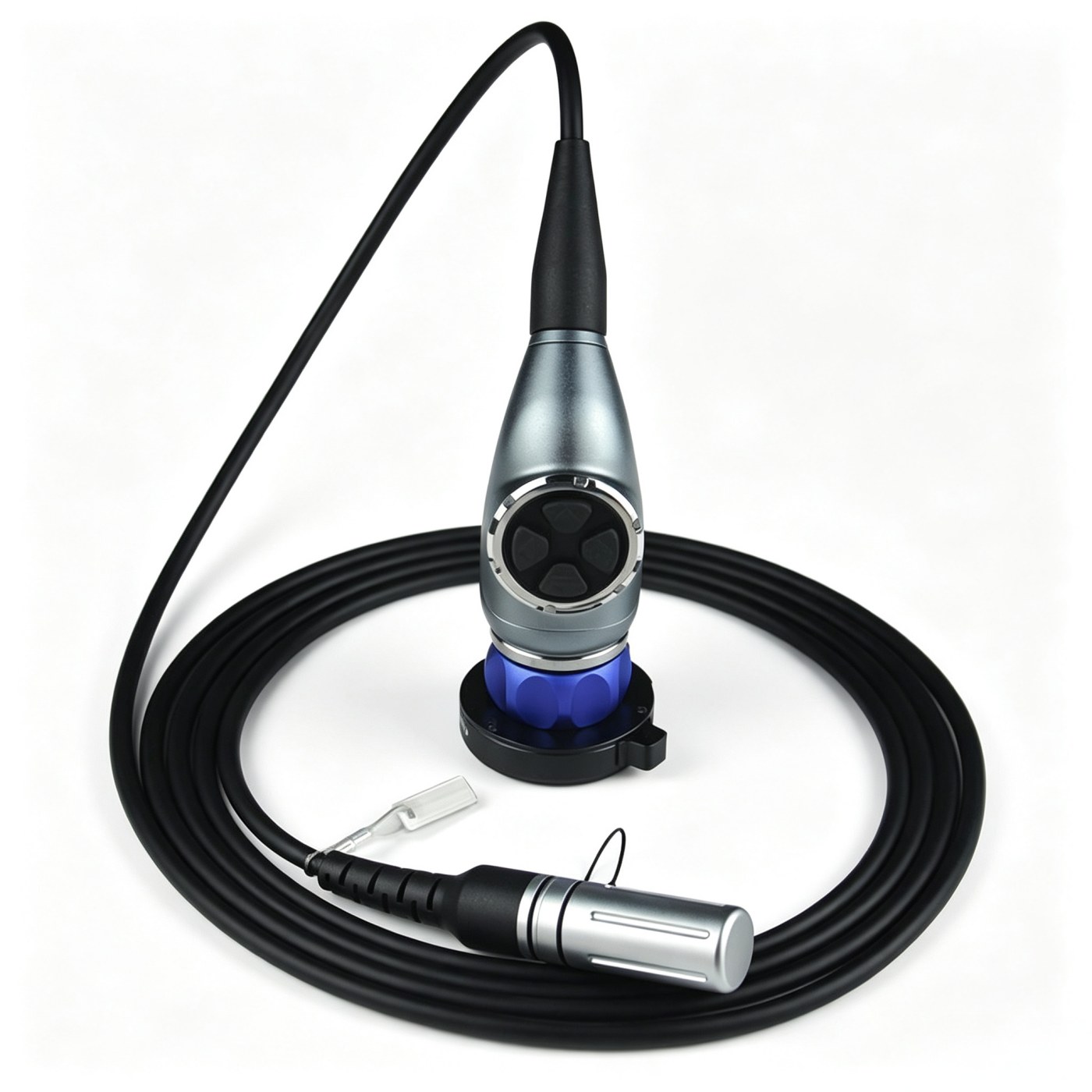
The Veterinary Rigid Endoscopy System is a professional high-definition visual diagnostic and minimally invasive surgical platform designed for veterinary clinical and laboratory applications. Integrated with FHD 1920×1080p imaging, optical zoom coupling, and multifunctional image storage modules, the system provides clear visual output for animal internal examination and minimally invasive procedures.
Equipped with a 7-inch display, DVI, HDMI, and CVBS output interfaces, as well as photo capture and video recording functions, this veterinary endoscopy equipment supports standardized diagnostic data management and adapts to veterinary hospitals, pet clinics, animal hospitals, and veterinary laboratories.

This veterinary rigid endoscope is designed for professional animal examination and minimally invasive procedure scenarios. It serves as visual diagnostic equipment in Veterinary Operating Rooms, Pet Operating Rooms, and Animal Operating Rooms, supporting internal observation and auxiliary operation workflows.
The system assists veterinary examination, specimen collection, lesion observation, and pathological analysis procedures. It is suitable for pet clinics, animal hospitals, veterinary laboratories, and third-party veterinary detection institutions requiring reliable imaging equipment for clinical workflow integration and bulk procurement.
Adopting FHD 1920×1080p high-definition imaging and professional C-mode optical zoom coupling, the system provides clear visual details during animal internal examination and minimally invasive procedures. High-resolution image output supports consistent observation and clinical data recording.
The built-in image capture and video recording functions preserve diagnostic footage for case review, data management, and veterinary clinical workflow documentation.
The integrated structural design provides stable imaging performance during continuous examination and minimally invasive procedures. Four dedicated camera function buttons simplify operation control and improve daily workflow convenience.
The built-in USB ultra-high-definition storage module supports stable image and video data storage. Durable structural design and reliable operation performance allow long-term application in veterinary clinics and laboratories.
Integrated one-click photo capture and video recording functions simplify clinical data recording and case management procedures. Multiple camera control buttons support efficient operation during examination workflows.
The high-definition real-time display improves visual observation efficiency and supports faster lesion positioning and specimen-related procedures in veterinary institutions with different workload requirements.
Equipped with DVI, HDMI, and CVBS output interfaces, the system is compatible with common veterinary display equipment, surgical auxiliary devices, and laboratory imaging workflows.
The portable integrated design supports flexible installation in veterinary examination rooms, operating rooms, and specialized care areas without requiring major workflow changes.
The stable integrated hardware structure helps reduce long-term maintenance requirements and component replacement costs. Clear imaging and recorded visual data help reduce repeated examinations caused by insufficient observation information.
Flexible configuration options allow veterinary institutions and distributors to select suitable specifications according to different application requirements, providing a practical alternative solution for global veterinary equipment procurement.
| Specification Item | Details |
|---|---|
| Imaging Resolution | FHD 1920×1080p |
| Optical Configuration | C-mode zoom optical coupler |
| Control Buttons | 4 camera function buttons |
| Storage Function | Built-in USB UHD image storage, photo capture, video recording |
| Display Screen | 7-inch screen |
| Output Interfaces | DVI, HDMI, CVBS |
| Customization Support | Multiple configurable specifications for customized client demands |
FKNMED Veterinary Rigid Endoscopy System is developed for professional veterinary minimally invasive diagnosis and surgical applications. It combines high-definition imaging, stable operation performance, and flexible configuration options to support veterinary medical institutions and laboratories worldwide.
With stable mass production capability and continuous bulk supply support, FKNMED provides veterinary equipment solutions for international importers, distributors, pet clinics, animal hospitals, and veterinary detection institutions.
Optimized for animal internal observation and veterinary clinical workflows, this system offers reliable imaging performance, convenient operation, and cost-effective equipment selection for global veterinary healthcare markets.
Q1. Which veterinary procedures are best suited to rigid endoscopy in animal hospitals?
Rigid endoscopy is commonly used in veterinary procedures where direct visualization of internal structures is required. It can support diagnostic and minimally invasive workflows such as rhinoscopy, otoscopy, cystoscopy, arthroscopy, and selected laparoscopic examinations. By providing enhanced visualization of specific anatomical areas, rigid endoscopy helps veterinarians evaluate clinical conditions, collect information for diagnosis, and support treatment planning. When selecting a system, veterinary hospitals should consider procedure types, animal species, clinician requirements, and compatibility with existing operating room workflows.
Q2. How can rigid endoscopy improve veterinary diagnostic and surgical workflows?
Rigid endoscopy improves veterinary workflows by enabling detailed examination of areas that may be difficult to evaluate through conventional methods. Clear visualization can assist veterinarians during diagnostic assessment, minimally invasive procedures, and tissue evaluation processes. In a clinical workflow, the system can be integrated after animal examination and preparation steps to support more accurate clinical decisions. For hospitals and referral centers, selecting suitable telescopes, light sources, cameras, and accessories helps establish a stable endoscopic workflow for routine and advanced veterinary applications.
Q3. How should veterinary clinics select the appropriate rigid endoscope for dogs, cats, and other animals?
Selection of a rigid endoscope should consider animal size, examination location, procedure type, and clinical application requirements. Veterinary teams typically evaluate factors such as telescope diameter, length, viewing angle, and compatibility with supporting equipment. Smaller companion animals may require different instrument dimensions compared with larger animals or specialized procedures. Procurement managers should also consider future application expansion, including diagnostic examinations, minimally invasive surgery, teaching applications, and equipment integration within the veterinary facility.
Q4. Which optical specifications affect image quality during veterinary rigid endoscopic procedures?
Image quality in rigid endoscopy is influenced by optical design, telescope configuration, light transmission capability, and compatibility with imaging systems. Clear visualization is important for veterinary procedures that require accurate anatomical assessment and detailed observation. When evaluating equipment, hospitals should review optical performance requirements together with camera systems, light sources, and recording capabilities. A suitable configuration helps veterinary professionals obtain consistent images for clinical evaluation, documentation, training, and communication between veterinary specialists.
Q5. Can rigid endoscopy support minimally invasive procedures in veterinary hospitals?
Rigid endoscopy can support minimally invasive veterinary procedures by providing direct visualization through specialized instruments and accessories. Applications may include diagnostic examinations and procedures where controlled access and visualization are required. The suitability of rigid endoscopy depends on the animal condition, procedure objective, clinician experience, and available supporting equipment. Veterinary hospitals should evaluate the complete workflow, including patient preparation, anesthesia support, imaging integration, and post-procedure management, before establishing an endoscopic service.
Q6. What accessories are required to establish a complete veterinary rigid endoscopy system?
A complete rigid endoscopy workflow typically involves more than the telescope itself. Veterinary facilities may evaluate supporting components such as light sources, camera systems, recording equipment, and procedure-specific accessories according to their clinical applications. The required configuration depends on whether the system is used for diagnostic examination, minimally invasive surgery, teaching, or research purposes. Procurement teams should select compatible components that support reliable operation, efficient workflow management, and future expansion of veterinary endoscopic capabilities.
Q7. How should veterinary staff clean and maintain rigid endoscopes for long-term operation?
Proper cleaning, sterilization, and handling procedures are essential for maintaining rigid endoscope performance. Veterinary teams should follow established instrument management practices, including careful cleaning after procedures, appropriate sterilization processes, and inspection for damage before storage or reuse. Special attention should be given to preventing scratches, optical damage, and connection problems. Regular maintenance management helps reduce unexpected downtime and supports stable operation in veterinary hospitals, clinics, and specialized animal healthcare facilities.
Q8. How does rigid endoscopy support veterinary teaching hospitals and research facilities?
Rigid endoscopy can support veterinary teaching and research environments by providing visual access for clinical demonstration, procedure training, and diagnostic evaluation. Teaching hospitals may use endoscopic systems to help standardize procedural knowledge and improve understanding of minimally invasive techniques. Research facilities can evaluate endoscopic applications according to specific study requirements. When selecting equipment, institutions should consider image documentation, system compatibility, workflow requirements, and long-term maintenance capability.
Q9. What factors should procurement managers consider when purchasing rigid endoscopy equipment for veterinary facilities?
Procurement managers should evaluate rigid endoscopy equipment based on application requirements, animal species served, procedure volume, system compatibility, and operational environment. Important considerations include telescope specifications, optical performance, accessory availability, maintenance requirements, and integration with existing veterinary equipment. For new clinic setups, laboratory expansion, or equipment replacement projects, selecting a suitable configuration helps ensure continuous clinical operation and supports future veterinary service development.
Q10. How can standardized rigid endoscopy protocols improve veterinary clinical efficiency?
Standardized rigid endoscopy protocols help veterinary teams improve consistency in equipment preparation, procedure execution, image documentation, and instrument management. A structured workflow allows technicians and veterinarians to coordinate more efficiently from patient preparation through examination and clinical evaluation. By establishing consistent operating procedures and maintenance practices, veterinary facilities can reduce workflow interruptions, improve equipment utilization, and support reliable endoscopic services across different clinical applications.
{ "@context": "https://schema.org", "@graph": [ { "@type": "Organization", "@id": "https://www.fknmed.com/veterinary-equipment/#organization", "name": "Nanjing FKN Medical Tech Co., Ltd", "url": "https://www.fknmed.com/Veterinary-equipment/", "contactPoint": { "@type": "ContactPoint", "telephone": "+86 13770648803", "email": "liu-liming@fknmed.com", "contactType": "customer service", "areaServed": "International veterinary market", "availableLanguage": "English" } }, { "@type": "Product", "@id": "https://www.fknmed.com/veterinary-rigid-endoscopy-equipment/veterinary-rigid-endoscopy.html#product", "name": "Veterinary Rigid Endoscopy System for Animal Minimally Invasive Diagnosis", "image": "https://www.fknmed.com/static/upload/image/20260809/1786265605136504.jpg", "description": "Veterinary Rigid Endoscopy System with FHD imaging, optical zoom coupling, image storage, video recording, and multiple output interfaces for animal examination and minimally invasive veterinary clinical workflows.", "brand": { "@type": "Brand", "name": "FKNMED" }, "manufacturer": { "@id": "https://www.fknmed.com/veterinary-equipment/#organization" }, "offers": { "@type": "Offer", "url": "https://www.fknmed.com/veterinary-rigid-endoscopy-equipment/veterinary-rigid-endoscopy.html", "availability": "https://schema.org/InStock" } } ] }Contact Information
E-mail:
Tel:
Address : Room 2512, Unit 1, Huaqiao Square, No.1, Daqiao North Road, Jiangbei New District, Nanjing, China
Veterinary Equipment
Medical Equipment

 There is currently no content to display


