


Category
|
Order Code |
Product Name |
|
A-03-03-M09 |
Veterinary Monitor for Animal Vital Signs Monitoring and Clinical Observation | FKNMED |

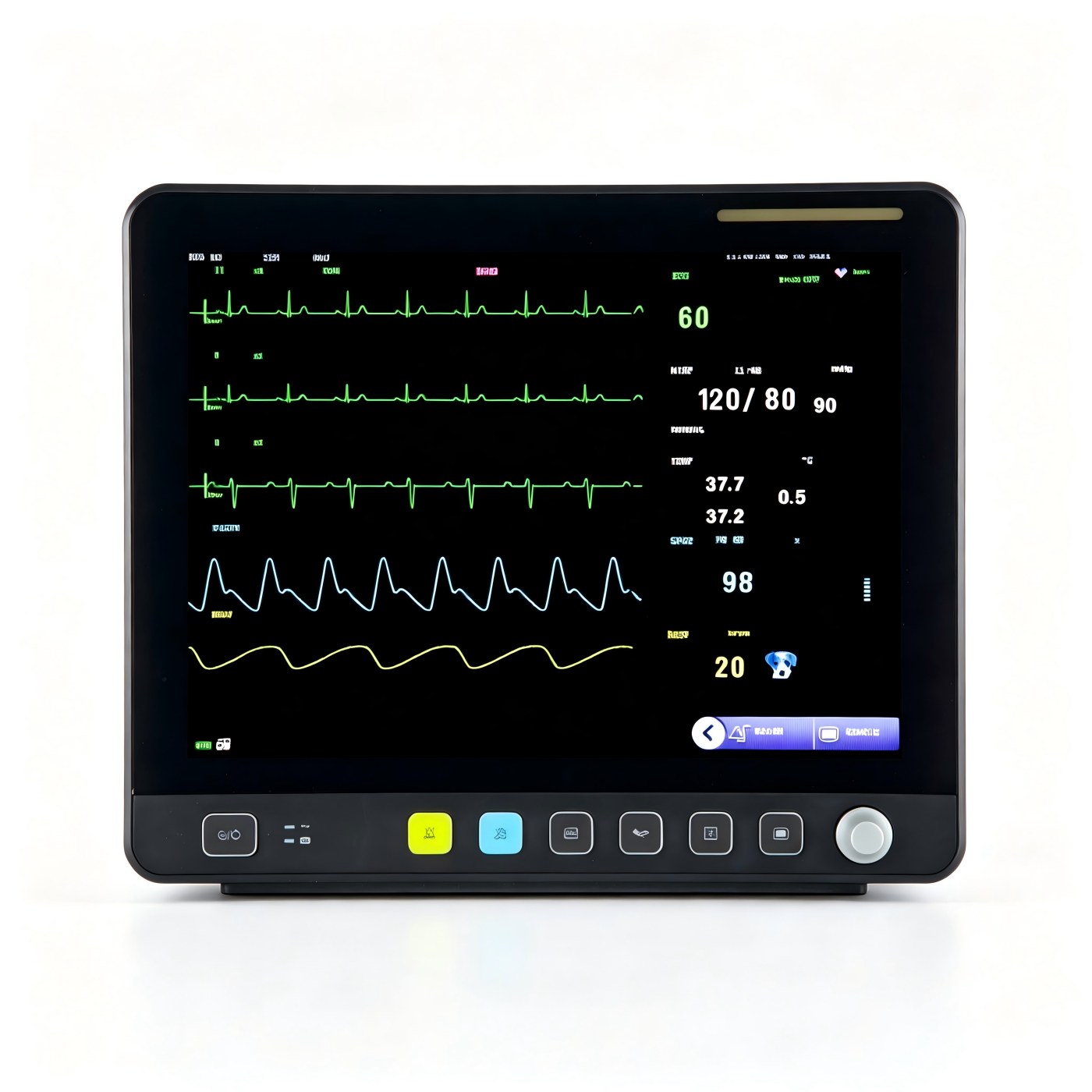
The FKNMED Veterinary Monitor is a multi-functional vital signs monitoring device designed for animal clinical diagnosis, surgical observation and laboratory monitoring applications. Equipped with a 15.1-inch high-brightness color LCD touch screen and multi-operation control modes, it supports vital parameter tracking for small, medium and large animals including cats, dogs, pigs and horses. The monitor is suitable for veterinary clinics, animal hospitals, research laboratories and animal testing institutions requiring reliable physiological data monitoring.
This veterinary monitor supports comprehensive animal healthcare and laboratory scenarios, including emergency monitoring, surgical observation, inpatient monitoring and routine physical assessment. It provides continuous physiological data display for Veterinary Operating Rooms, Pet Operating Rooms, Animal Operating Rooms and veterinary examination environments.
The equipment is suitable for veterinary hospitals, pet clinics, animal research institutions, livestock breeding groups and third-party animal testing organizations. With flexible monitoring functions and expandable modules, it supports professional users and international veterinary equipment distributors requiring stable animal monitoring solutions.
The monitor features anti-defibrillation and anti-high-frequency electric knife interference capability, helping maintain stable data output in complex surgical environments. Eight-channel synchronous waveform display provides comprehensive physiological information presentation for veterinary clinical observation and laboratory monitoring workflows.
The three-level voice, text and visual alarm system supports timely identification of abnormal physiological changes. Multiple alarm methods improve monitoring visibility and provide consistent data support during animal clinical procedures and observation processes.
Multiple operation methods including touch screen, buttons and knobs simplify daily parameter adjustment. Dedicated display interfaces, trend interface and large font interface improve data viewing efficiency in different veterinary application scenarios.
Supporting wired and wireless connection with central monitoring systems, the veterinary monitor can integrate with existing veterinary management and monitoring workflows. Hot-pluggable extension modules allow automatic identification and dynamic interface adjustment for additional monitoring functions.
Integrated multi-parameter monitoring functions reduce the need for multiple single-purpose monitoring devices. Durable design, modular expansion capability and built-in battery support long-term deployment in veterinary medical institutions, laboratories and animal monitoring environments.
-Display: 15.1-inch high-brightness color LCD touch screen
-Operation Modes: Button, knob and touch screen control
-Applicable Animals: Cats, dogs, pigs, horses and other small, medium and large animals
-Waveform Display: Support 8-channel synchronous waveform display
-Alarm System: 3-level voice, text and visual alarm
-Display Interfaces: Standard interface, trend interface, oxyCRG interface, large font interface
-Languages: Chinese, English, Spanish, Polish, Turkish, French, Portuguese, Russian
-Power Supply: Built-in high-capacity battery for long-duration mobile monitoring
-Optional Functions: Print output, dual-channel IBP module, ETCO2 module
-Anti-interference Performance: Anti-defibrillation, anti-high-frequency electric knife interference
-Network Compatibility: Support wired and wireless central monitoring system connection
-Module Feature: Hot-pluggable extension modules with automatic identification and dynamic interface adjustment
FKNMED Veterinary Monitor provides professional animal monitoring equipment solutions for international veterinary markets. Designed for pet clinics, animal hospitals, veterinary laboratories and research institutions, the device combines multi-parameter monitoring capability, flexible operation modes, expandable functions and stable data display performance.
With stable bulk supply capability and standardized B2B support services, FKNMED assists global importers, distributors and veterinary equipment suppliers in providing practical monitoring solutions for clinical observation, surgical workflows and laboratory applications.
Q1. How should veterinary hospitals select a multiparameter monitor for anesthesia cases?
Veterinary hospitals should select a multiparameter monitor according to their clinical workflow, patient types, and monitoring requirements during anesthesia and critical care. Important considerations include available monitoring parameters, compatibility with anesthesia equipment, ease of operation, alarm management, data review functions, and maintenance requirements. Small animal clinics may prioritize routine surgical monitoring, while referral hospitals and intensive care facilities may require broader monitoring capabilities. Procurement teams should evaluate whether the monitor can support their daily workflow, including patient preparation, anesthesia management, recovery observation, and long-term clinical operation.
Q2. Which animal species are suitable for continuous veterinary patient monitoring?
Veterinary patient monitors are commonly used for companion animals and can support clinical monitoring requirements when the selected configuration matches the animal species and patient condition. Dogs, cats, and other veterinary patients may require monitoring during surgery, sedation, emergency treatment, or recovery. Before purchasing, veterinary teams should consider patient size range, sensor compatibility, clinical application scenarios, and expected workload. Selecting suitable monitoring equipment helps veterinary professionals obtain consistent physiological information throughout the animal healthcare workflow.
Q3. How does multiparameter monitoring improve anesthesia management in animal hospitals?
Multiparameter monitoring supports anesthesia management by allowing veterinary teams to observe important patient information during procedures and recovery periods. Continuous monitoring helps clinicians evaluate changes in animal condition and make timely decisions based on clinical assessment. In veterinary operating rooms, monitoring equipment works together with anesthesia systems, surgical procedures, and recovery protocols. For hospitals expanding surgical capabilities, reliable monitoring solutions can improve workflow standardization and provide additional support for patient management throughout the anesthesia process.
Q4. What vital signs should a veterinary monitor measure for critical care patients?
The required monitoring parameters depend on the clinical application, patient condition, and veterinary facility requirements. In critical care environments, veterinary teams typically select monitoring functions according to the needs of emergency treatment, anesthesia management, and postoperative observation. Procurement decisions should focus on whether the monitor provides suitable parameters, clear display information, effective alarm functions, and reliable operation for the intended workflow. A properly selected monitoring system helps veterinary professionals evaluate patient status during different stages of clinical care.
Q5. What specifications matter when selecting a monitor for small animal anesthesia?
When selecting a veterinary monitor for small animal anesthesia, clinics should consider factors such as parameter configuration, sensor suitability, display usability, alarm management, data recording capability, and compatibility with existing anesthesia equipment. Small animal patients may require appropriate monitoring solutions for different body sizes and procedures. Veterinary procurement teams should also evaluate maintenance requirements, operator training needs, and long-term reliability to ensure that the equipment can support routine surgeries, emergency cases, and recovery monitoring.
Q6. Can one veterinary monitor be used in ICU, operating room, and recovery areas?
A suitable veterinary monitor may support different clinical areas when its configuration matches the requirements of each application. Operating rooms, intensive care units, and recovery areas often have different monitoring priorities and workflow conditions. Veterinary hospitals should evaluate whether one system can provide the required flexibility for their intended use, including patient monitoring during procedures, observation after treatment, and emergency care. Equipment selection should consider workflow integration, mobility requirements, and the needs of veterinary staff across different departments.
Q7. How should veterinary staff evaluate alarm settings for different species and procedures?
Alarm settings should be managed according to the animal species, clinical condition, procedure type, and veterinary workflow requirements. Appropriate alarm configuration helps veterinary teams identify important changes while reducing unnecessary interruptions caused by unsuitable settings or environmental factors. Staff training is essential to ensure that operators understand alarm functions, patient monitoring limitations, and clinical response procedures. Standardized setup protocols can help different operators maintain consistent monitoring practices across surgery rooms, treatment areas, and recovery spaces.
Q8. How should veterinary hospitals maintain and clean patient monitoring equipment?
Regular maintenance and proper cleaning procedures are important for maintaining stable operation of veterinary monitoring equipment. Hospitals should establish routine practices for inspecting cables, sensors, accessories, and external surfaces according to equipment requirements. Between patients, appropriate cleaning and disinfection procedures help support clinical hygiene management. Maintenance planning should also include staff training, accessory replacement management, and equipment performance checks to reduce downtime and support continuous use in busy veterinary facilities.
Q9. How can veterinary technicians reduce false alarms and signal problems during monitoring?
False alarms and weak signals may occur due to factors such as sensor placement, animal movement, connection issues, or unsuitable monitoring conditions. Veterinary technicians can reduce these problems by following standardized patient preparation procedures, checking sensor application, verifying connections, and reviewing equipment status before and during monitoring. Proper training helps staff distinguish technical issues from actual patient changes. Consistent operating procedures improve monitoring reliability and support better clinical decision-making during anesthesia, emergency care, and recovery management.
Q10. When should a veterinary hospital upgrade from a basic vital-sign device to a full multiparameter monitor?
A veterinary hospital may consider upgrading when clinical requirements increase beyond basic vital-sign observation. Facilities performing more surgical procedures, emergency treatments, or intensive patient management may require broader monitoring capabilities and improved data review functions. Upgrade decisions should be based on patient volume, procedure complexity, workflow requirements, and future service development plans. A suitable multiparameter monitoring system can help hospitals standardize patient observation and support continuous monitoring throughout examination, treatment, and recovery processes.
Contact Information
E-mail:
Tel:
Address : Room 2512, Unit 1, Huaqiao Square, No.1, Daqiao North Road, Jiangbei New District, Nanjing, China
Veterinary Equipment
Medical Equipment

 There is currently no content to display


