


Category
|
Order Code |
Product Name |
|
A-02-11-M03 |
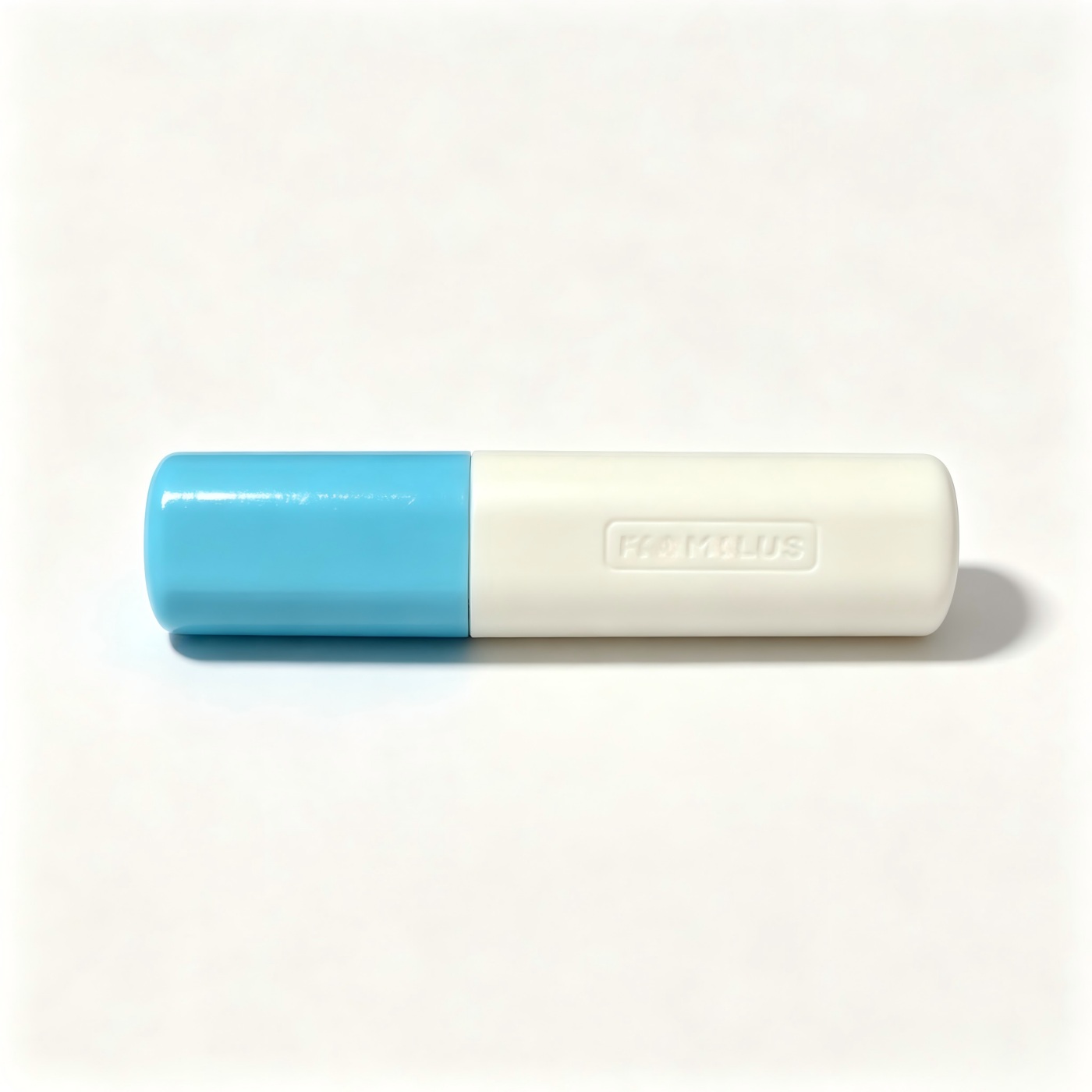
Internal Intelligent Temperature Capsule for Cattle | FKNMED Veterinary Monitoring Equipment |

The FKNMED Internal Intelligent Temperature Capsule for Cattle is a rumen monitoring device developed for continuous physiological data collection and livestock health management. Designed for ruminant applications, it supports long-term internal temperature tracking, wireless data transmission and veterinary monitoring workflows for dairy farms, breeding enterprises and animal health institutions.
The capsule provides real-time temperature, activity and behavioral monitoring data to support Veterinary POCT and Animal POCT health management scenarios. It is suitable for large-scale herd monitoring, reproductive management, daily health observation and veterinary auxiliary analysis workflows.
The Internal Intelligent Temperature Capsule for Cattle is designed for diversified livestock management environments, including dairy cattle farms, beef cattle farms, yak breeding farms, buffalo farms, sheep farms and camel breeding operations.
The device supports continuous physiological monitoring for large-scale herd health screening, behavioral observation, reproductive cycle management and long-term animal data collection. It can complement veterinary laboratories, third-party animal health detection institutions and modern breeding management systems requiring continuous monitoring information.
The capsule enables continuous internal core body temperature monitoring after entering the rumen, providing stable physiological data for livestock health management. Combined with monitoring of activity level, rumination status and drinking behavior, it supports veterinary users in analyzing animal condition trends and identifying abnormal health signals.
Designed for long-cycle herd monitoring applications, the device uses medical-grade, corrosion-resistant, non-toxic and harmless materials for stable long-term residency in the rumen. Intelligent power management and built-in lithium battery configuration provide a service life of 6–8 years, supporting continuous monitoring requirements in standardized breeding environments.
By replacing traditional manual temperature measurement and periodic inspection processes, the intelligent temperature capsule enables 24/7 automatic data collection and wireless transmission. It reduces repetitive manual monitoring workload and improves efficiency for large-scale livestock health management and veterinary monitoring operations.
Supporting OTA wireless upgrades and long-distance base station communication up to 800 meters, the device integrates with intelligent breeding systems, veterinary health monitoring platforms and standardized farm management workflows. Temperature, activity and behavioral information can support digital livestock management processes without complicated workflow adjustments.
The long service life and continuous monitoring capability help reduce repeated equipment replacement and manual inspection requirements. By improving health observation efficiency and supporting early abnormal condition identification, the device provides a practical monitoring solution for large-scale farms, breeding enterprises and veterinary service providers.
| Monitoring Functions | Real-time core body temperature, animal activity level, rumination status, drinking behavior and drinking frequency |
| Core Technology | Patented milking parlor station location recognition technology, intelligent power management, OTA wireless update |
| Recognition Performance | Identification success rate ≥99.5% with anti-interference capability |
| Battery Life | 6–8 years long-term service life with built-in lithium battery |
| Communication Distance | Minimum 800 meters with base station |
| Material Property | Medical-grade, corrosion-resistant, non-toxic and harmless for animals |
| Applicable Animals | Dairy cows, beef cattle, yaks, buffaloes, sheep, camels and other ruminants |
| Working Mode | Long-term stable residency in rumen, wireless data transmission |
FKNMED Internal Intelligent Temperature Capsule provides a professional monitoring solution for modern livestock health management and veterinary applications. With continuous physiological data collection, long service life, stable wireless communication and compatibility with intelligent breeding workflows, it supports global farms, veterinary institutions and distributors seeking reliable animal monitoring equipment.
FKNMED provides stable bulk supply and cross-border B2B service support for international veterinary and livestock markets. The product is suitable for standardized deployment in large-scale breeding operations, supporting refined herd management and long-term operational efficiency improvement.
Q1. How should dairy farms select an internal temperature monitoring capsule for cattle?
Selecting an internal temperature monitoring capsule requires evaluation of farm management goals, herd size, monitoring workflow, and data management requirements. Dairy operations should consider whether the system supports continuous temperature observation, animal identification, alert management, and integration into daily herd health procedures. The suitable solution should match the needs of veterinarians, farm technicians, and animal health managers who monitor transition cows, fresh cows, and high-risk animals. Procurement decisions should also consider deployment procedures, communication performance, software functions, and long-term operational requirements to ensure stable use in commercial dairy environments.
Q2. Which cattle groups benefit most from continuous rumen temperature monitoring?
Continuous internal temperature monitoring is particularly valuable for cattle groups requiring closer health surveillance, such as transition cows, postpartum cows, and animals with increased disease risk. By providing continuous temperature information, the system can help veterinary teams identify abnormal temperature changes that may require further physical examination. Farms can use temperature monitoring as part of a broader herd health workflow, combining sensor data with clinical observation, production records, and veterinary assessment. This approach supports earlier attention to individual animals and improves efficiency in large-scale dairy herd management.
Q3. Can an implanted temperature capsule support early detection of fever in dairy cows?
An internal temperature monitoring capsule can provide continuous temperature data that helps farms identify abnormal temperature patterns requiring veterinary evaluation. Temperature changes alone should not replace clinical diagnosis, but they can support the decision-making process by helping staff prioritize animals for examination. In dairy health management, continuous monitoring can complement routine procedures such as physical checks, disease observation, and production monitoring. For procurement teams, the value of such systems depends on reliable data collection, practical farm operation, and how effectively temperature information can be incorporated into existing herd management workflows.
Q4. How does continuous temperature monitoring improve dairy herd health surveillance?
Continuous temperature monitoring improves herd health surveillance by providing more frequent health information compared with occasional manual temperature measurements. For dairy farms, this can support monitoring of high-risk periods, including calving, transition management, and disease investigation. Veterinary teams can review temperature trends and combine them with animal records to determine which cows require further assessment. The system helps optimize farm workflow by reducing dependence on manual checks alone and providing additional data for veterinary decision-making, herd management planning, and long-term health monitoring programs.
Q5. What factors can affect the accuracy of internal cattle temperature measurements?
The accuracy of internal temperature measurements can be influenced by sensor performance, animal factors, deployment procedures, data transmission conditions, and environmental factors. Proper administration procedures, correct animal identification, and appropriate system configuration are important for maintaining reliable monitoring results. Farm personnel should also understand that temperature data requires veterinary interpretation together with clinical signs and herd information. During procurement and implementation, dairy operations should evaluate measurement consistency, data reliability, software performance, and staff training requirements to support effective daily use.
Q6. How can farms combine temperature data with rumination, activity, and milk records?
Combining internal temperature data with other herd management information can provide a more comprehensive view of animal health status. Dairy farms may analyze temperature trends together with rumination, activity, milk production, and clinical observations to support veterinary assessments. This integrated approach helps identify animals requiring closer attention and improves communication between farm technicians and veterinarians. When selecting a monitoring system, farms should consider whether the data platform supports efficient review, animal identification, and workflow compatibility with existing herd management practices.
Q7. Can temperature capsules support monitoring of postpartum cows and fresh cow disorders?
Postpartum cows require careful monitoring because this period is associated with significant physiological changes and increased management attention. Internal temperature monitoring can provide additional information for veterinary teams during fresh cow management by highlighting temperature changes that may require examination. The system does not replace veterinary diagnosis but can support early observation and prioritization of animals. Dairy farms can incorporate temperature monitoring into transition cow protocols together with routine health checks, production monitoring, and nutritional management procedures.
Q8. What communication and data transmission specifications matter when purchasing a cattle temperature monitoring system?
When evaluating a cattle temperature monitoring system, farms should consider communication range, data transmission stability, receiver placement requirements, and software accessibility. Large dairy operations need reliable data collection across barns, production units, or multiple monitoring areas. Procurement teams should assess whether the system architecture matches farm conditions and whether the monitoring platform provides practical tools for reviewing animal information and alerts. Stable communication performance is essential for maintaining continuous monitoring capability during routine herd management.
Q9. What training should farm personnel receive before administering monitoring capsules?
Farm personnel should receive appropriate training on capsule administration procedures, animal identification management, device handling, and data monitoring workflows before using the system. Training helps ensure consistent operation and reduces errors during deployment and daily management. Staff should also understand how to respond to abnormal alerts, verify animal information, and communicate relevant findings with veterinary professionals. For dairy farms and distributors, user training capability is an important consideration when introducing smart monitoring equipment into routine animal healthcare operations.
Q10. How can distributors evaluate the application range of smart cattle temperature monitoring capsules?
Distributors evaluating smart cattle temperature monitoring capsules should consider market demand across dairy farms, veterinary service providers, and livestock health management operations. Important evaluation factors include target farm size, herd management practices, veterinary workflow requirements, system usability, and long-term operational value. Understanding how the technology supports disease surveillance, transition cow management, and data-based herd monitoring helps distributors identify suitable applications. A clear understanding of customer workflow and technical requirements is essential for successful introduction of smart livestock monitoring solutions.
Contact Information
E-mail:
Tel:
Address : Room 2512, Unit 1, Huaqiao Square, No.1, Daqiao North Road, Jiangbei New District, Nanjing, China
Veterinary Equipment
Medical Equipment

 There is currently no content to display


