


Category
|
Order Code |
Product Name |
|
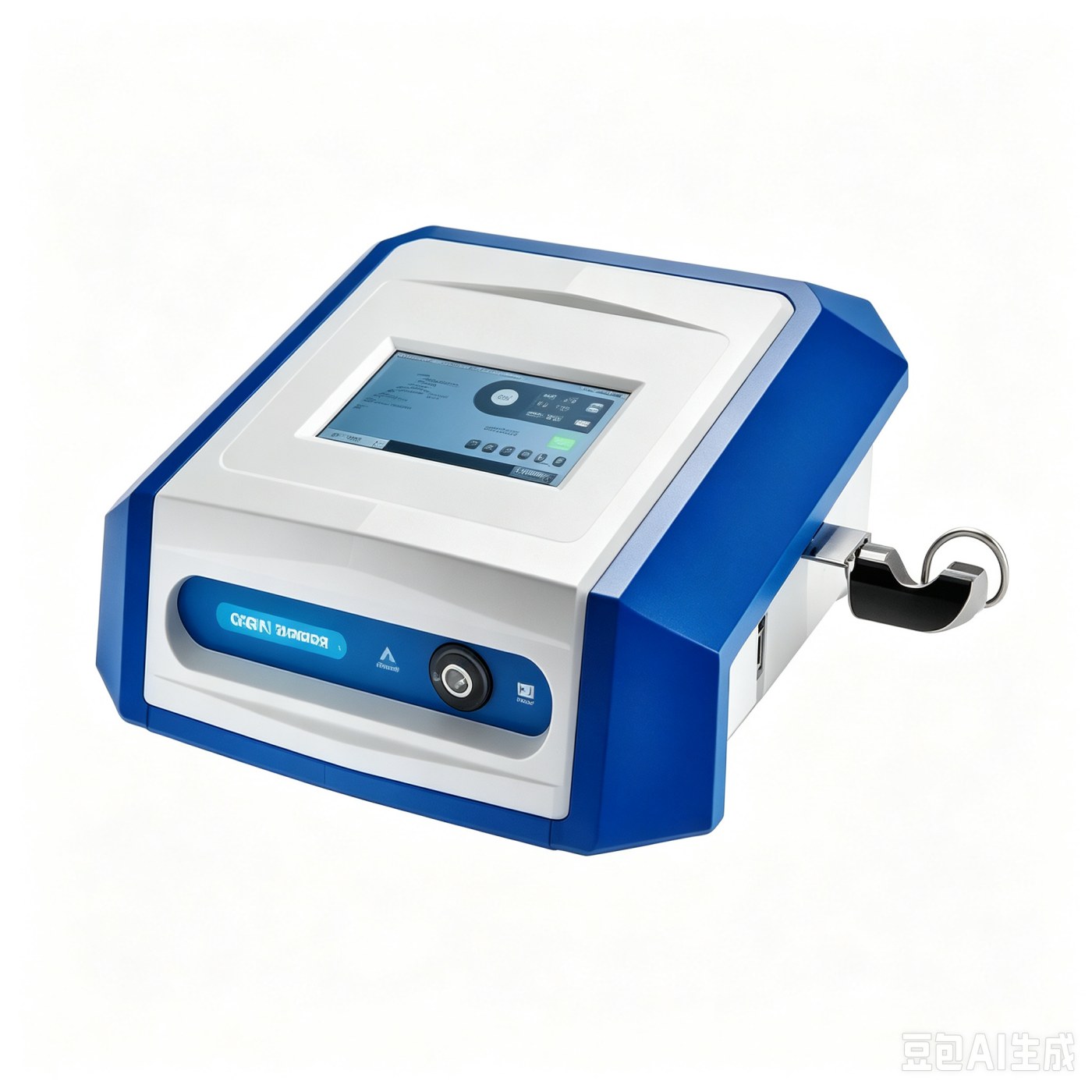
Veterinary Electrical Stimulation Device | Animal Rehabilitation Therapy Equipment | FKNMED |

FKNMED Veterinary Electrical Stimulation Device is a professional animal rehabilitation and physical therapy instrument designed for veterinary medical applications. Developed for cats, dogs and horses, the device delivers neuromuscular electrical stimulation support for animal rehabilitation workflows. Equipped with a 7-inch color touch screen, multiple working modes and built-in treatment programs, it provides standardized operation and flexible parameter management for veterinary clinics, pet hospitals and animal rehabilitation centers.
With functions including neuromuscular excitation, scar softening, adhesion release, anti-inflammation support, blood circulation improvement and veterinary drug iontophoresis assistance, this electrical stimulation device helps veterinary professionals perform diversified physical therapy procedures and improve daily rehabilitation workflow efficiency.
This veterinary electrical stimulation device is widely used in Veterinary Treatment & Recovery, Pet Treatment & Recovery and Animal Treatment & Recovery scenarios. It is suitable for professional pet hospitals, veterinary clinics, animal rehabilitation institutions and large-scale livestock breeding veterinary departments.
Designed for cats, dogs and horses, the device supports animal rehabilitation applications involving tissue adhesion management, scar tissue care, physical therapy assistance, pain management support and local blood circulation improvement. It also supports veterinary drug iontophoresis therapy applications as part of comprehensive animal rehabilitation workflows.
The equipment can complement existing veterinary examination, treatment and postoperative recovery processes, making it suitable for veterinary medical institutions, animal rehabilitation centers, breeding facilities and global veterinary equipment importers, distributors and B2B trading partners.
The device integrates multiple interference modes and working modes, including normal mode and dynamic mode, providing flexible electrical stimulation options for different animal rehabilitation requirements. Built-in professional treatment programs and customizable prescription functions help veterinary professionals establish suitable rehabilitation procedures according to specific application conditions.
Designed with multi-level safety protection mechanisms, the veterinary electrical stimulation device includes over-temperature protection, open circuit protection, short circuit protection and over-current protection. The reliable circuit control system supports stable operation during continuous veterinary rehabilitation workflows and helps reduce equipment operation risks during daily clinical use.
Preset treatment programs and one-key program selection simplify equipment operation procedures and reduce manual parameter adjustment requirements. Multiple working modes support different rehabilitation applications, allowing veterinary clinics and animal rehabilitation centers to efficiently manage daily treatment cases.
The device is designed to integrate with professional animal healthcare workflows, including veterinary examination, rehabilitation management and postoperative recovery procedures. Standardized operating modes and practical design features allow convenient deployment in veterinary clinics, pet hospitals and animal care facilities.
By integrating multiple physical therapy functions into one device, FKNMED Veterinary Electrical Stimulation Device helps veterinary institutions optimize equipment investment and improve application flexibility. Durable design, safety protection features and user-friendly operation support long-term use for veterinary medical institutions, breeding facilities and distributors.
| Core Functional Features | Details |
|---|---|
| Applicable Animals | Cat, Dog, Horse |
| Operation Panel | 7-inch color touch screen |
| Working Modes | Multiple interference modes, normal mode, dynamic mode |
| Clinical Functions | Neuromuscular excitation, scar softening, adhesion release, analgesia, anti-inflammation, blood circulation improvement, drug iontophoresis |
| Built-in Programs | Professional treatment prescriptions, customizable prescription functions |
| Safety Protection | Over temperature protection, open circuit protection, short circuit protection, over current protection |
| Humanized Design | Electrode sheet heating function |
FKNMED Veterinary Electrical Stimulation Device is a professional B2B animal rehabilitation solution developed for the global veterinary equipment market. With stable supply capability, flexible order support and professional technical assistance, FKNMED helps importers, distributors and veterinary institutions expand their animal healthcare product portfolio.
Combining diversified stimulation modes, integrated safety protection and convenient operation, the device provides practical value for veterinary clinics, pet hospitals, rehabilitation centers and animal healthcare organizations. FKNMED supports global partners with product guidance and after-sales technical service to build efficient and standardized animal rehabilitation workflows.
Q1. How to select a veterinary electrical stimulation device for rehabilitation clinics?
Veterinary rehabilitation clinics should select an electrical stimulation device based on treatment applications, animal patient requirements, clinical workflow, and long-term operational needs. Important considerations include the device’s stimulation functions, parameter adjustment capability, ease of operation, maintenance requirements, and suitability for different rehabilitation programs. Procurement teams should evaluate whether the equipment can support workflows involving patient assessment, therapy planning, repeated treatment sessions, and progress monitoring. A suitable device should help veterinary professionals provide consistent rehabilitation support while fitting the operational requirements of animal hospitals and rehabilitation centers.
Q2. Which animal conditions are suitable for veterinary electrical stimulation therapy?
Veterinary electrical stimulation therapy may be used as part of rehabilitation programs for animals requiring muscle activation support, mobility improvement, or recovery management. Applications may include rehabilitation after orthopedic procedures, muscle weakness associated with reduced activity, and supportive care during neurological recovery programs. Veterinarians should evaluate each patient through clinical examination and determine appropriate treatment plans based on individual conditions. Electrical stimulation is typically integrated with other rehabilitation approaches, including therapeutic exercise, manual techniques, and ongoing clinical evaluation.
Q3. How does neuromuscular electrical stimulation improve mobility in dogs and cats?
Neuromuscular electrical stimulation supports rehabilitation workflows by providing controlled electrical stimulation to targeted muscle groups according to veterinary treatment plans. It can be used as part of programs designed to support muscle activation and functional recovery in dogs and cats. Veterinary professionals should consider factors such as patient condition, muscle group selection, electrode placement, and treatment goals when applying stimulation therapy. When combined with appropriate rehabilitation exercises and monitoring, electrical stimulation can become a useful component of structured mobility management programs.
Q4. How should veterinarians select stimulation protocols for different muscle groups?
Veterinarians should select stimulation protocols according to treatment objectives, targeted muscle groups, patient condition, and clinical evaluation results. Parameters such as waveform, frequency, intensity, and treatment duration should be determined based on professional judgment and established rehabilitation protocols. Proper electrode positioning and patient monitoring are also important for maintaining consistent treatment application. Standardized protocols can help rehabilitation teams achieve more reliable operation and improve consistency between different veterinary technicians.
Q5. What safety features should animal hospitals evaluate before purchasing electrical stimulation equipment?
Animal hospitals should evaluate safety functions and operational controls when selecting veterinary electrical stimulation equipment. Key considerations include controlled intensity adjustment, stable device performance, reliable connection systems, and procedures that support safe treatment application. Veterinary teams should also establish appropriate operating protocols, including patient assessment, electrode preparation, monitoring during treatment, and equipment inspection. A comprehensive safety workflow helps protect animals and operators while supporting consistent use in daily rehabilitation practice.
Q6. Can veterinary electrical stimulation be combined with therapeutic exercise and rehabilitation programs?
Yes, veterinary electrical stimulation can be integrated with broader rehabilitation programs when clinically appropriate. Rehabilitation centers often combine multiple approaches, including therapeutic exercise, mobility training, manual therapy, and electrical stimulation, depending on patient requirements. Electrical stimulation may support muscle activation within a structured rehabilitation workflow that includes examination, treatment planning, progress assessment, and follow-up management. Proper coordination between different therapies helps veterinary teams provide organized and continuous patient care.
Q7. How should rehabilitation centers standardize electrical stimulation treatments across technicians?
Rehabilitation centers should establish standardized procedures to ensure consistent electrical stimulation treatment among different technicians. A structured workflow may include patient assessment, electrode preparation, parameter selection, treatment application, patient response monitoring, and treatment documentation. Clear operating guidelines help technicians follow veterinary instructions, reduce variation between sessions, and maintain stable rehabilitation processes. Standardization is especially important for facilities managing multiple patients requiring repeated therapy sessions.
Q8. How should clinics record stimulation parameters and patient responses?
Veterinary clinics should maintain treatment records to support continuous patient management and rehabilitation evaluation. Documentation may include patient information, targeted muscle groups, electrode placement details, selected stimulation parameters, treatment frequency, and observed patient responses. Accurate records allow veterinary teams to review treatment history, adjust rehabilitation plans, and improve communication between veterinarians and technicians. For rehabilitation departments, consistent documentation also supports workflow management and long-term treatment tracking.
Q9. What maintenance is required for veterinary electrical stimulation devices?
Regular maintenance helps maintain reliable performance of veterinary electrical stimulation devices during daily clinical operation. Routine management may include cleaning electrodes and device surfaces, inspecting cables and connectors, checking controls, and maintaining power components according to manufacturer recommendations. Veterinary facilities should monitor equipment condition to identify potential issues before they affect treatment schedules. Proper maintenance procedures help reduce downtime and support stable operation in rehabilitation clinics, animal hospitals, and veterinary care facilities.
Q10. Which specifications should procurement managers compare before purchasing veterinary electrical stimulation equipment?
Procurement managers should compare specifications based on clinical application needs, rehabilitation workflow requirements, and long-term equipment management considerations. Important evaluation factors include stimulation functions, parameter adjustment options, usability, maintenance requirements, and compatibility with veterinary rehabilitation programs. Buyers should also consider staff training needs, expected treatment volume, and operational support requirements. A structured evaluation process helps veterinary hospitals, rehabilitation centers, and distributors select equipment suitable for practical clinical applications and continuous operation.
Contact Information
E-mail:
Tel:
Address : Room 2512, Unit 1, Huaqiao Square, No.1, Daqiao North Road, Jiangbei New District, Nanjing, China
Veterinary Equipment
Medical Equipment

 There is currently no content to display


