


Category

|
Order Code |
Product Name |
|
L-03-02-M06 |
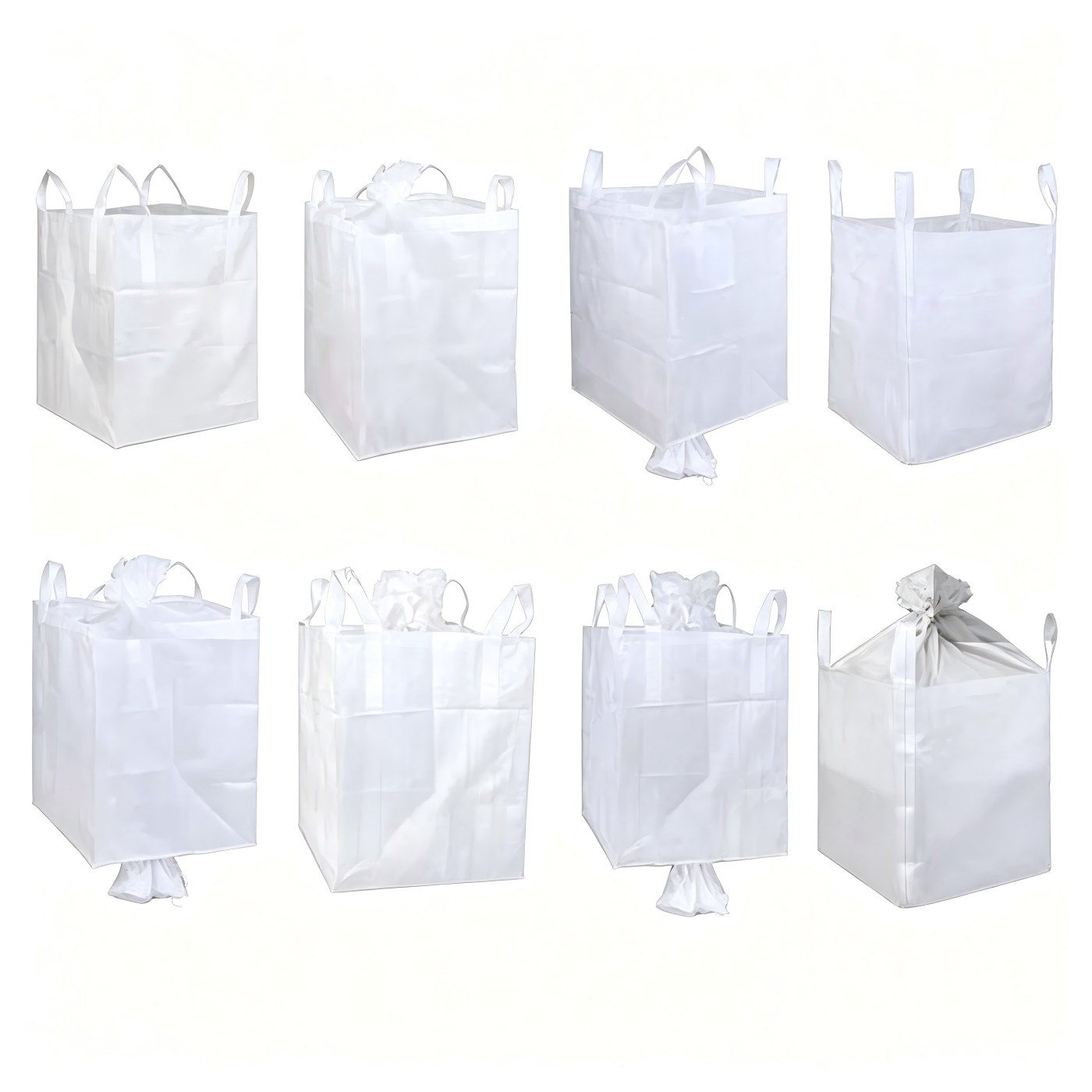
Wear-Resistant Woven Ore FIBC Bulk Bags for Mining Material Handling |

Thickened Wear-Resistant Woven Ore FIBC Bulk Bags are professional large-capacity packaging solutions designed for mining sites, mineral processing plants and metallurgical laboratory material management. Manufactured with reinforced woven structures, these bags provide excellent wear resistance, tensile strength and structural stability for bulk storage, transportation and turnover of mineral materials.
Available with diversified configurations including open top, top skirt cover, filling spout and discharge spout designs, these FIBC bags support different loading and unloading requirements for granular and powdered ore materials. Their durable construction helps standardize bulk material handling procedures and provides reliable auxiliary support for mineral sampling turnover, pre-test material storage and hydrometallurgical material management.

These mining-grade FIBC bulk bags are suitable for mineral processing and laboratory-related material handling procedures, including sample preparation, metallurgical testing support, mineral analysis preparation and hydrometallurgical material storage.
The bags are used for centralized storage and classified turnover of bulk crushed ore, screened mineral particles and reserved sampling materials. The reinforced woven structure helps prevent material leakage and mixing, maintaining raw material integrity before further preparation and testing.
These bulk bags support batch transportation and temporary storage of test ore materials and comparison mineral samples. Standardized packaging conditions help maintain consistent material organization and reduce contamination risks during handling before ore grade detection and elemental analysis.
The wear-resistant FIBC bags are suitable for storing and transporting raw ore materials for leaching experiments, processed mineral materials and tailing residues. Their stable structural performance supports frequent handling and stacking in complex mining and metallurgical environments.
Thickened woven material provides excellent wear resistance and tensile strength, effectively resisting friction and impact during ore loading, transportation and stacking operations.
Multiple structural options including open top, top skirt cover, filling spout and bottom discharge spout designs adapt different manual and mechanical loading requirements.
A wide range of standard sizes supports flexible applications from laboratory sample turnover to large-volume mining material transportation.
Reinforced bag structure reduces deformation risks during lifting, forklift handling and stacking, ensuring stable material storage and transfer.
Durable woven construction supports repeated handling operations and improves long-term packaging reliability in mining environments.
| Parameter Item | Technical Details |
|---|---|
| Product Type | Thickened Wear-Resistant Woven Ore FIBC Bulk Bags |
| Available Sizes & Structural Designs | 70×70×80cm (Open Top / Top Skirt Cover, Flat Bottom); 80×80×90cm (Open Top / Top Skirt Cover, Flat Bottom); 90×90×100cm / 90×90×110cm / 90×90×120cm (Open Top / Top Skirt Cover / Top Filling Spout; Flat Bottom / Bottom Discharge Spout); 100×100×100cm / 100×100×110cm / 100×100×120cm / 100×100×130cm / 100×100×140cm (Open Top / Top Skirt Cover / Top Filling Spout; Flat Bottom / Bottom Discharge Spout) |
FKN PANDA Thickened Wear-Resistant Woven Ore FIBC Bulk Bags provide reliable material management support through reinforced woven structures that help maintain ore material integrity during storage and transfer. Stable packaging conditions support consistent sample preparation and metallurgical testing workflows.
They deliver excellent operational reliability with wear-resistant construction designed for frequent lifting, transportation and stacking. The reinforced structure helps reduce deformation and leakage risks under demanding mining operation conditions.
The bags improve workflow efficiency through diversified sizes and structural configurations. Different loading and unloading designs simplify bulk ore classification, turnover and storage procedures across mining and mineral processing operations.
They offer strong compatibility with mining workflows, supporting ore sample preparation, bulk material transportation, hydrometallurgical raw material storage and tailing material handling requirements.
Reusable thickened construction helps reduce replacement frequency and long-term packaging expenses. Multiple size and configuration options support efficient procurement planning for mining enterprises, mineral processing facilities and metallurgical laboratories.
Q1. How to select reinforced woven ton bags with sampling ports for different ore bulk densities in mining operations?
Selecting reinforced woven ton bags with sampling ports requires consideration of ore characteristics, bulk density, handling conditions, and transportation requirements. Different mineral materials may create different load demands during collection and storage. Mining operations should evaluate bag construction, reinforcement design, lifting requirements, and sampling accessibility according to the specific application. Proper selection helps maintain safe bulk sample handling and supports reliable workflows from field collection to laboratory analysis, including sample preparation, mineral testing, and metallurgical evaluation.
Q2. What are the critical load-bearing specifications for woven ton bags in high-volume mineral sample transportation?
Load-bearing performance is an important consideration when selecting woven ton bags for large-volume mineral sample transportation. Evaluation should include bag structure, reinforced areas, lifting configuration, and compatibility with handling methods used at mining sites. For exploration and bulk sampling projects, suitable bag selection helps reduce operational risks during collection, storage, and movement of ore samples. Properly configured ton bag systems support efficient sample logistics while maintaining sample traceability throughout the mining laboratory workflow.
Q3. Can integrated sampling ports in ton bags maintain sample integrity during bulk ore collection?
Integrated sampling ports are designed to provide controlled access for collecting representative portions from bulk materials without requiring full bag opening. When properly used, they can support improved sample management during ore collection and reduce unnecessary material exposure. Maintaining sample integrity also depends on correct sampling procedures, operator training, labeling, and storage practices. In mining exploration and mineral processing applications, suitable sampling port designs help connect bulk collection activities with subsequent laboratory testing requirements.
Q4. How does reinforced weaving affect ton bag durability in rough mining site handling conditions?
Reinforced weaving improves the structural stability of woven ton bags and supports their use in demanding mining environments. During field operations, bags may experience mechanical stress from lifting, transportation, stacking, and contact with mineral materials. A reinforced construction approach helps improve resistance to handling challenges and supports continuous operation in exploration and mining projects. Selection should consider actual site conditions, material characteristics, and handling methods to ensure the bag design matches operational requirements.
Q5. Which ton bag specifications are suitable for gold and copper ore bulk sample collection in mining exploration?
For gold and copper ore bulk sample collection, ton bag selection should focus on sample volume requirements, ore characteristics, transportation conditions, and sampling workflow. The appropriate configuration depends on the project scale and how samples will be transferred from field collection to laboratory evaluation. Bags with suitable reinforcement and integrated sampling access can support organized bulk sample management. Proper selection helps maintain sample identification, reduce handling complexity, and support reliable mineral testing and metallurgical assessment.
Q6. How to configure ton bag systems for efficient sample extraction from integrated sampling ports?
Configuring a ton bag system with sampling ports requires attention to sampling procedures, bag placement, identification methods, and personnel operation practices. Efficient sample extraction depends on accessible port design and consistent handling protocols. Mining projects should establish clear workflows for collecting, labeling, transporting, and storing extracted samples. A well-organized system supports better sample traceability and helps connect field sampling activities with laboratory processes such as sample preparation, mineral analysis, and process evaluation.
Q7. What are the differences between single-layer and multi-layer woven ton bags for mineral sample storage?
Single-layer and multi-layer woven ton bags differ mainly in structural design, reinforcement level, and suitability for different handling environments. Multi-layer constructions may provide additional support for applications involving heavier materials or more demanding transportation conditions, while simpler designs may be suitable for general bulk handling requirements. Mining operations should evaluate ore characteristics, storage duration, handling frequency, and transportation methods when selecting a suitable bag structure for mineral sample management.
Q8. How do sampling port designs in ton bags improve sample representativeness during bulk collection?
Sampling port designs can improve sample collection efficiency by allowing access to bulk materials through a controlled extraction point. This approach helps reduce the need for repeated opening and handling of the entire bag, supporting more consistent sampling procedures. Representative sampling still depends on proper sampling methods and material distribution. In mining exploration and mineral processing projects, suitable sampling port configurations can contribute to improved sample management and more reliable laboratory evaluation results.
Q9. Can reinforced woven ton bags accommodate both dry and moist ore samples without degradation?
Reinforced woven ton bags may be used for different ore sample conditions when their material characteristics and construction are suitable for the application. Dry and moist mineral materials can create different handling requirements, including weight distribution, storage conditions, and transportation considerations. Mining operations should evaluate sample moisture level, environmental exposure, and project requirements before selection. Proper bag configuration supports safe bulk sample handling during field collection and subsequent laboratory processing activities.
Q10. How to maintain sampling port integrity in ton bags during extended field collection periods?
Maintaining sampling port integrity requires proper handling, storage, transportation practices, and regular inspection during field operations. Sampling areas should be protected from unnecessary damage, excessive mechanical stress, and improper handling procedures. Field personnel should follow consistent operating protocols to preserve sample accessibility and reduce contamination risks. Effective maintenance practices support continuous mining operations and help ensure that bulk samples remain suitable for laboratory preparation, testing, and metallurgical evaluation.
{ "@context": "https://schema.org", "@graph": [ { "@type": "Organization", "@id": "https://www.fknmed.com/mining-lab-supplies/#organization", "name": "FKN GROUP LIMITED", "contactPoint": { "@type": "ContactPoint", "telephone": "+86 13770648803", "email": "liu-liming@fknmed.com", "contactType": "customer service", "areaServed": "International mining market", "availableLanguage": "English" } }, { "@type": "Product", "@id": "https://www.fknmed.com/sample-container/ore-bulk-sampling-bags.html#product", "name": "Wear-Resistant Woven Ore FIBC Bulk Bags for Mining Material Handling", "description": "Thickened Wear-Resistant Woven Ore FIBC Bulk Bags provide durable packaging solutions for ore storage, mineral sample turnover and mining material handling with reinforced structure and multiple loading configurations.", "image": "https://www.fknmed.com/static/upload/image/20260727/1785108701607199.jpg", "brand": { "@type": "Brand", "name": "FKN PANDA" }, "manufacturer": { "@id": "https://www.fknmed.com/mining-lab-supplies/#organization" }, "offers": { "@type": "Offer", "url": "https://www.fknmed.com/sample-container/ore-bulk-sampling-bags.html", "availability": "https://schema.org/InStock" } } ] }Contact Information
E-mail:
Tel:
Address : Room 2512, Unit 1, Huaqiao Square, No.1, Daqiao North Road, Jiangbei New District, Nanjing, China
Veterinary Equipment
Medical Equipment

 There is currently no content to display


